The Art of Custom Furniture Design: Creating Unique Pieces That Reflect Your Style
Furniture should feel like it belongs in your home rather than simply filling empty corners. Custom furniture design creates pieces that fit your space, daily routine, and personal style in a way ready-made furniture often cannot.
Why Homeowners Are Choosing Custom Furniture
After working on different residential projects, one thing becomes obvious. Furniture decisions influence how people experience a room every day.
A coffee table may block movement. A wardrobe may leave unused corners. A sofa may dominate the room even though it looked perfect in the showroom.
Custom furniture solves those practical problems because pieces are created around actual dimensions and lifestyle needs.
Across Gurgaon, Noida, and Delhi NCR, homeowners increasingly prefer furniture designed around their space rather than trying to force standard sizes into unique layouts.
Custom Furniture Design Inspiration
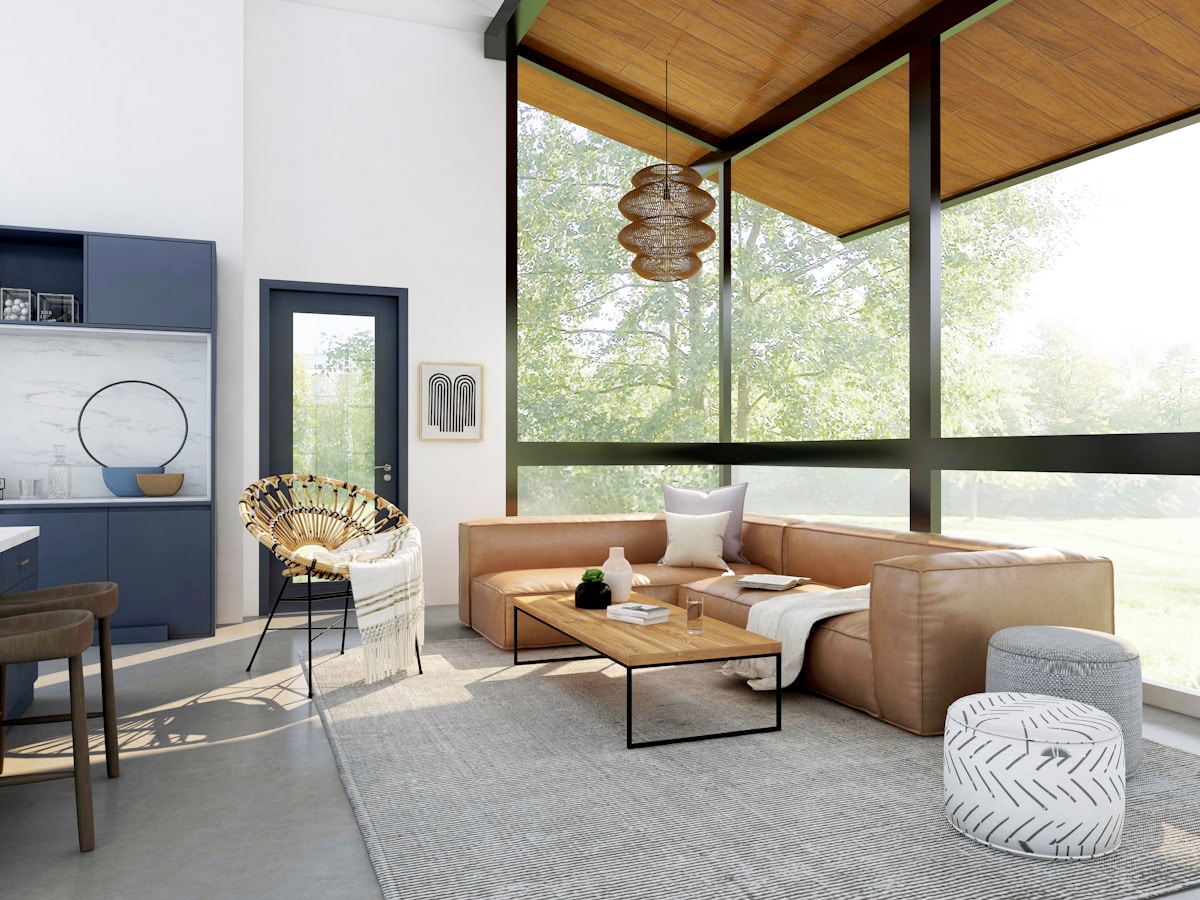
Living Room Furniture
Designed for comfort and room flow
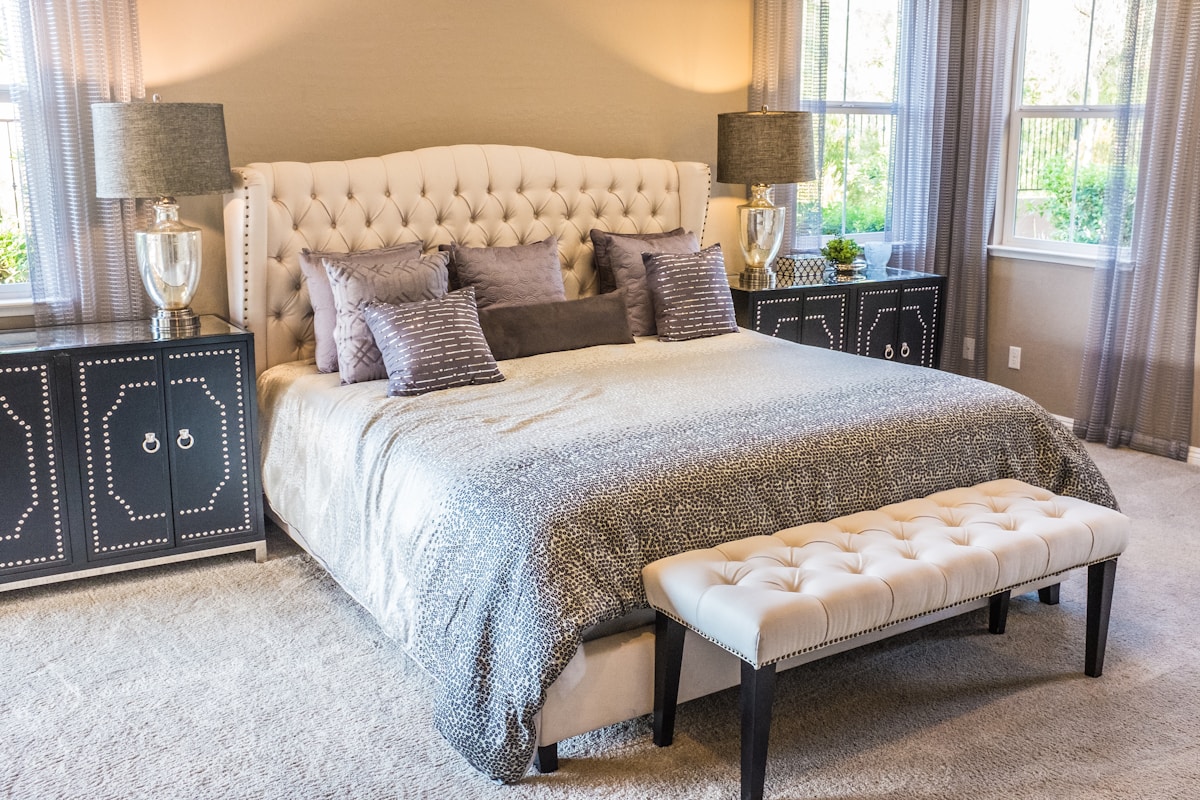
Bedroom Furniture Ideas
Personalized layouts and storage solutions

Bespoke Design Pieces
Unique materials and handcrafted details
Benefits of Custom Furniture Design
Perfect Fit
Custom dimensions reduce awkward gaps and wasted space.
Built Around Daily Life
Furniture should support routines and habits naturally.
Smarter Storage
Hidden compartments and multifunctional ideas improve usability.
Personal Style
Colors, materials, and finishes can reflect personality.
Better Room Flow
Thoughtful sizing improves movement and comfort.
Long-Term Value
Quality materials and craftsmanship often last longer.
Things to Consider Before Ordering Custom Furniture
- Measure rooms carefully
- Think about storage requirements
- Choose practical materials
- Consider long-term flexibility
- Review everyday usage habits
- Set realistic budgets
Related Interior Resources
Frequently Asked Questions
Is custom furniture worth it?
For homeowners with specific needs or unique spaces, custom pieces can improve both functionality and aesthetics.
Can custom furniture work in smaller homes?
Yes. It often helps maximize available space more efficiently.
How long does furniture customization take?
Timelines vary depending on materials and design complexity.
Ready to Create Furniture Designed Around Your Home?
Explore custom furniture design services across Gurgaon, Noida and Delhi NCR.
Book Free Consultation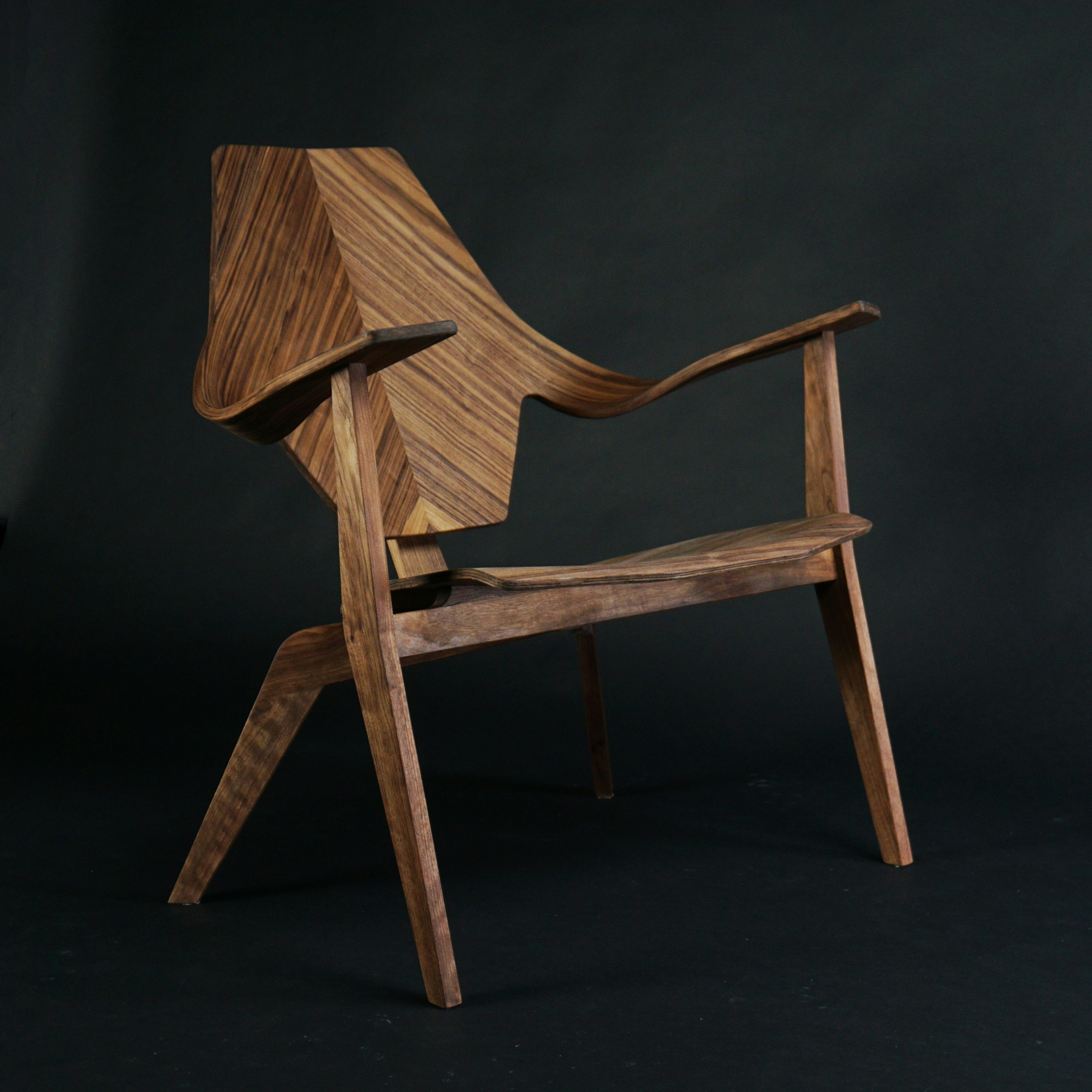
Introduction to Custom Furniture Design
Custom furniture design is an art that marries creativity with functionality, allowing individuals to create unique pieces that resonate with their personal style. Unlike mass-produced furniture, which often adheres to one-size-fits-all principles, custom furniture is tailored to meet specific needs and preferences. This process opens up a world of possibilities, ensuring that every piece is imbued with a unique character and reflects the homeowner’s aesthetics.
The concept of custom furniture design encompasses a wide range of options, from the selection of materials and finishes to the dimensions and structural elements. This level of personalization is pivotal, as it allows homeowners to create spaces that are not only visually appealing but also harmonious with their lifestyle. By working with skilled craftsmen and designers, clients can seek out various styles, including modern, traditional, or eclectic, which are not readily available in commercially produced lines.
One of the primary benefits of opting for custom furniture is the superior quality craftsmanship involved in each piece. Artisans often focus on meticulous attention to detail, using premium materials that enhance durability and longevity. This contrasts sharply with mass-produced furniture, which may compromise on quality for the sake of affordability. Furthermore, custom designs enable consumers to avoid the assembly-line pitfalls often seen in commercial goods, leading to unique, statement-making pieces that are exclusive to their homes. Another advantage lies in the opportunity for better space utilization, as custom pieces can be designed specifically to fit into unconventional areas or multi-functional spaces.
Ultimately, custom furniture design offers a bespoke experience that not only fulfills practical needs but also elevates interior spaces, underscoring the individuality of the homeowner. As the demand for personalized living environments grows, the importance of custom furniture is increasingly recognized, paving the way for unique expressions of style and craftsmanship.
The Process of Designing Custom Furniture
The journey of creating custom furniture is an intricate process that involves multiple stages, each contributing to the final piece’s unique character. It begins with an initial consultation between the client and the designer, where ideas are exchanged, and an understanding of the client’s vision is established. This stage is crucial as it sets the foundation for the entire project, allowing the designer to grasp the client’s style preferences, functional needs, and budget considerations.
Following the consultation, the designer will gather inspiration and begin the conceptualization phase. This involves sketching various design options based on the discussed themes and requirements. At this point, the client may be presented with some preliminary sketches, which serve as a blueprint for further development. Feedback during this stage is essential, as it allows adjustments to be made before embarking on more detailed design work.
Once a final design is approved, the focus shifts to material selection. Choosing the right materials is vital, as they not only affect the piece’s aesthetics but also its durability and functionality. Clients typically work closely with designers to select wood types, fabrics, finishes, and any other elements that will define their custom furniture. This collaborative effort ensures that every component aligns with the established vision.
Finally, the production phase commences, where skilled craftsmen bring the design to life. This stage often involves a combination of traditional woodworking techniques and modern technology to ensure precision and quality. Throughout the production process, designers may remain in contact with the craftsmen to monitor progress, address any issues, and ensure that the final piece meets the expected standards.
Identifying Your Style and Needs
Before delving into the realm of custom furniture design, it is imperative to take a step back and evaluate your personal style and practical necessities. Understanding your aesthetic preferences along with the functional requirements of your space is the foundation of creating unique pieces that harmoniously blend with your environment. To begin this exploration, consider the overall atmosphere that you wish to cultivate in your home. Are you drawn to modern minimalism, traditional elegance, or perhaps a rustic charm? Identifying these elements will help you articulate a design vision that resonates with you.
Next, assess the space where the custom furniture will reside. Take into account the dimensions of your room, existing color schemes, and how different pieces might interact within the space. This includes understanding the flow of movement, especially in high-traffic areas, and ensuring that new furniture will not disrupt these dynamics. Visualizing how each piece will function can guide you in selecting materials, styles, and sizes that enhance the space’s overall aesthetic and utility.
Documentation is a practical approach during this phase. Collect images from design magazines, websites, or social media platforms that showcase styles you admire. Create a mood board that reflects your preferences and can serve as a visual reference throughout the design process. Additionally, consider your lifestyle requirements; for instance, if you have children or pets, durability may take precedence over delicate design. By thoughtfully identifying your style and needs, you set the stage for creating custom furniture that is not only visually stunning but also perfectly tailored to your life.
Material Selection in Custom Furniture
The choice of materials in custom furniture design is fundamental to achieving both aesthetic appeal and functional integrity. A wide range of materials can be employed, each contributing unique characteristics to the final piece. Wood, for instance, remains a classic choice and is highly regarded for its versatility and durability. Various wood types, such as oak, maple, and walnut, offer distinct visual textures and finishes, allowing for bespoke designs that align with individual style preferences.
In addition to wood, upholstery fabrics play a significant role in custom furniture. The selection of fabric can enhance the overall aesthetic and comfort of the piece. Durable options like canvas, leather, and synthetic fibers are commonly utilized for their resilience and ease of care. In contrast, soft, natural textiles elevate comfort but may require more maintenance. When selecting fabrics, considerations such as use, climate, and potential wear should guide the decision-making process.
Metals are also increasingly popular in custom furniture design, frequently used in conjunction with wood or as standalone elements. Materials such as stainless steel and brass not only add structural support but also inject a modern feel to the design. The interplay of different materials can create stunning contrasts and enhance the visual narrative of the furniture piece.
Ultimately, the significance of material choice in custom furniture extends beyond aesthetics; it influences the durability and functionality of the design. A thoughtfully chosen combination of materials can ensure that the furniture remains not only visually appealing but also withstands the test of time, providing both beauty and practicality in daily use. Custom furniture is an investment, and understanding the various materials available is essential for designing pieces that truly reflect one’s personal style.
Understanding Ergonomics in Custom Furniture Design
When it comes to custom furniture design, one of the most critical aspects to consider is ergonomics. Ergonomics is the study of how people interact with their environment, and in the context of furniture design, it focuses on creating pieces that enhance comfort and usability. A well-designed piece of furniture can significantly improve the user’s experience, whether in a home office, living room, or any other space.
Incorporating ergonomic principles ensures that the furniture not only fits the aesthetic preferences of the client but also promotes a healthy posture and minimizes the risk of discomfort or injury. For instance, when designing a chair, factors such as seat height, back support, and armrest positioning must be tailored to the user’s specific requirements. This individualized approach leads to a piece that provides better support, encouraging longer periods of use without fatigue.
Moreover, custom furniture can be designed to accommodate various body types and sizes, which is often overlooked in mass-produced items. By taking into account the user’s dimensions and how they will use the furniture, designers can create solutions that properly align with the user’s natural movements. For example, desks at adjustable heights can make it easier to switch between sitting and standing, thus promoting an active work lifestyle.
Another critical consideration in choosing materials is their interaction with ergonomic design. Soft yet supportive cushions on chairs, for instance, can improve comfort while balancing firmness and malleability. Custom furniture design can also integrate elements that support the user’s well-being, such as built-in lumbar supports or features that enhance convenience and functionality.
In conclusion, understanding ergonomics in custom furniture design is vital in creating unique pieces that not only reflect a personal style but also enrich the overall well-being of the user. By focusing on ergonomic principles during the design process, one can ensure that the custom furniture serves its purpose effectively and comfortably.
Sustainability and Eco-Friendly Options
As the awareness around environmental issues continues to rise, the demand for sustainable and eco-friendly options in custom furniture design becomes increasingly significant. Consumers are seeking furniture pieces that not only reflect their personal style but also demonstrate a commitment to the planet. Incorporating sustainability into the design process involves selecting materials that are sustainable, renewable, and sourced responsibly.
One of the most popular eco-friendly materials is reclaimed wood. This resourceful option involves repurposing wood from old buildings, furniture, or other structures, thereby minimizing waste and reducing the need for newly sourced timber. Reclaimed wood varies in character, providing unique textures and patterns that can enhance the aesthetic appeal of custom furniture, making it both stylish and sustainable.
In addition to reclaimed wood, bamboo is rapidly gaining traction as a sustainable material due to its rapid growth and minimal resource requirements. Bamboo is a highly renewable resource that can be harvested every three to five years without causing harm to the environment. Its strength and versatility make it an excellent choice for furniture production, allowing for both innovative designs and durable constructions.
Moreover, eco-friendly furniture designers are increasingly turning to natural finishes, such as water-based stains and non-toxic sealants, which reduce harmful chemical emissions while also being safer for indoor air quality. The integration of organic textiles, like hemp, linen, or organic cotton, creates furniture that aligns with environmentally conscious living without compromising on comfort.
Choosing sustainable options not only plays a role in minimizing environmental impact but also supports local economies through the use of regional materials and craftsmanship. Eco-friendly custom furniture design portrays a clear understanding of responsible consumption and reflects a dedication to both style and sustainability, paving the way for a future that values the health of our planet.
Budgeting for Custom Furniture Projects
Budgeting for custom furniture projects is a crucial step that can ensure you achieve the desired balance between quality and cost. Understanding the various factors that influence pricing is essential in order to create unique pieces that reflect your style while remaining financially sensible. Custom furniture can vary widely in cost depending on materials, craftsmanship, design complexity, and size. Typically, the selection of high-quality hardwoods or specialty materials will increase the overall price. Similarly, intricate designs often require more labor and time, which directly influences the project’s cost.
Before initiating your custom furniture design journey, it is advisable to set a clear budget. This budget should encompass not only the cost of materials and labor but also potential additional costs such as shipping, assembly, and finishing. Having a comprehensive understanding of your financial parameters will help you communicate effectively with your designer or craftsman.
In addition to determining your budget, prioritizing your must-have features is essential. Whether it is a specific design element or type of material, knowing what is imperative for your satisfaction will allow for better decision-making during the project. It is beneficial to remain flexible; if certain features exceed your budget, consider alternatives that can still achieve your aesthetic goals without compromising quality.
Furthermore, researching various custom furniture designers can also help you gauge different pricing structures. Some may offer package deals or lower rates for simpler designs, which can help stretch your budget further. Ultimately, finding a balance between quality and budget constraints is essential for achieving custom furniture that not only meets your expectations but also reflects your personal style.
Case Studies: Successful Custom Furniture Projects
Custom furniture design serves as a unique canvas for both artisans and clients to express individual preferences and styles, contributing to the creation of extraordinary pieces. One exemplary case involves a family seeking a custom dining table that could seat 12 people while also fitting their contemporary home design. Collaborating closely with the designer, they opted for a sleek, rectangular table crafted from reclaimed wood, which not only fulfilled their functional needs but also reinforced their commitment to sustainability. The result was an elegant centerpiece that harmonized with their aesthetic and sparked conversations among guests.
Another compelling project involved a couple who wanted bespoke cabinetry for their home office. They sought to maximize storage while maintaining an inviting atmosphere. The designer proposed a blend of open shelving and closed storage units featuring a custom finish to match the existing décor. This approach not only catered to their organizational needs but also enhanced the workspace’s overall look, all while reflecting the couple’s style preferences. The blend of function and aesthetic results boasts both beauty and efficiency.
Additionally, a notable instance of custom furniture design can be found in the creation of a unique armchair for a retired artist. This individual desired a piece that would evoke memories of their travels while providing comfort. The designer sourced fabrics from various locations around the globe and combined them into a cohesive design. As a result, the armchair became a narrative vault of experiences, prompting stories whenever the artist’s friends visited. This project illustrates the emotional connection and storytelling potential inherent in custom designed furniture.
Through these case studies, it becomes evident that successful custom furniture projects transcend mere functionality; they are a blend of personal expression, creativity, and collaboration between client and designer. These experiences not only fulfill practical needs but also encapsulate cherished memories and individual styles, underscoring the true art of custom furniture design.
Conclusion: The Lasting Impact of Custom Furniture
Investing in custom furniture design not only provides unique pieces that meet personal preferences but also enhances the overall aesthetic of a living space. Custom furniture allows homeowners to reflect their individual style and taste, ensuring that their environment feels tailored to their specific needs. Unlike mass-produced options, custom pieces are crafted with attention to detail and often utilize high-quality materials that contribute to longevity and durability.
Furthermore, the functionality of a space can significantly improve through the careful consideration available in custom designs. Homeowners can create furniture solutions that are suited to their unique living arrangements and day-to-day activities. This thoughtful integration of design and utility means that each piece serves a purpose while also contributing to the character of the environment.
Beyond aesthetics and usefulness, custom furniture can also be a statement piece, potentially becoming the focal point of any room. The ability to choose elements such as size, color, and specific materials further enriches the personalization experience, allowing for a cohesive theme throughout the home. As such, custom furniture not only serves to furnish a living space but also to infuse it with personality and warmth.
Ultimately, considering custom furniture design enables homeowners to create spaces that resonate with their values and lifestyle. By ensuring that each piece is uniquely tailored, the result is an environment that is not only beautiful but also functional and reflective of the inhabitant’s identity. This investment, therefore, represents much more than just furniture; it encapsulates comfort and livability, fostering an enduring connection with one’s surroundings.