Residential Interior Design Budget in Gurugram: Complete Cost Planning Guide for Your Home
Planning a residential interior design budget in Gurugram is an important step before starting a home renovation or furnishing project. Whether you own a 1BHK, 2BHK, 3BHK apartment, builder floor, independent house or villa, a clear budget helps you select suitable materials, organise furniture requirements and control unnecessary expenses. A well-planned interior project should balance appearance, comfort, durability and long-term maintenance.
What Is a Residential Interior Design Budget?
A residential interior design budget is the estimated amount required to plan, furnish, decorate and complete the interior spaces of a home. It may include design fees, modular furniture, kitchen cabinets, wardrobes, lighting, electrical work, painting, false ceilings, civil modifications, installation and project supervision.
The total investment depends on the property’s carpet area, existing condition, number of rooms, family requirements, selected materials and level of customisation. A newly handed-over apartment may need a different scope from an older home that requires repairs, demolition or upgrades to existing services.
Residential Interior Design Budget in Gurugram by Home Size
Home size is one of the first factors homeowners consider when estimating interior expenses. However, the number of bedrooms alone does not determine the final cost. A compact apartment with extensive custom furniture may cost more than a larger home with a simple, essential fit-out.
| Home Type | Initial Planning Consideration | Major Budget Requirements |
|---|---|---|
| 1BHK | Compact, requirement-led scope | Kitchen, wardrobe, bed, living storage and essential lighting. |
| 2BHK | Approximately ₹7–18 lakh as a broad coordinated-fit-out reference | Kitchen, two bedrooms, wardrobes, living room, lighting and selected furniture. |
| 3BHK | Approximately ₹12–25 lakh as a broad coordinated-fit-out reference | Kitchen, three bedrooms, wardrobes, living and dining furniture, storage and finishing. |
| 4BHK | Site-specific estimate required | Multiple bedrooms, larger storage units, kitchen, dining, living areas and additional furniture. |
| Builder Floor or Villa | Site-specific estimate required | Floor-wise planning, larger spaces, services, custom furniture and possible civil work. |
The ranges above are not standard market tariffs. Published Gurgaon guides use different assumptions about furniture, materials, ceilings, electrical work, taxes and installation. A basic furniture package and a complete turnkey project should never be compared as if they cover the same work.
For more detailed cost information, read home interior design cost in Gurgaon.
1. Identify Your Home Interior Requirements Before Setting the Budget
The first step is to prepare a list of everything your household needs. This avoids spending on decorative features before essential furniture and storage have been planned.
Divide your requirements into three categories:
Essential Requirements
- Functional modular kitchen.
- Bedroom wardrobes and basic storage.
- Comfortable beds and mattresses.
- Living room seating.
- Essential electrical and lighting work.
- Necessary painting and repairs.
Important but Flexible Requirements
- TV units and display shelves.
- Study tables and home office furniture.
- Dining furniture.
- Decorative wall treatments.
- Additional storage and shoe cabinets.
Optional Decorative Requirements
- Designer wall panels.
- Premium decorative lighting.
- Custom display units.
- Imported finishes.
- Advanced home automation.
- High-end decorative accessories.
Completing the essential list first gives you better control over the residential interior design budget in Gurugram.
2. Understand the Room-Wise Interior Design Budget
A room-wise budget makes it easier to compare quotations and identify expensive design decisions. Instead of looking only at the total project price, ask for individual costs for the kitchen, wardrobes, beds, living room furniture, lighting and finishing work.
Living Room Budget
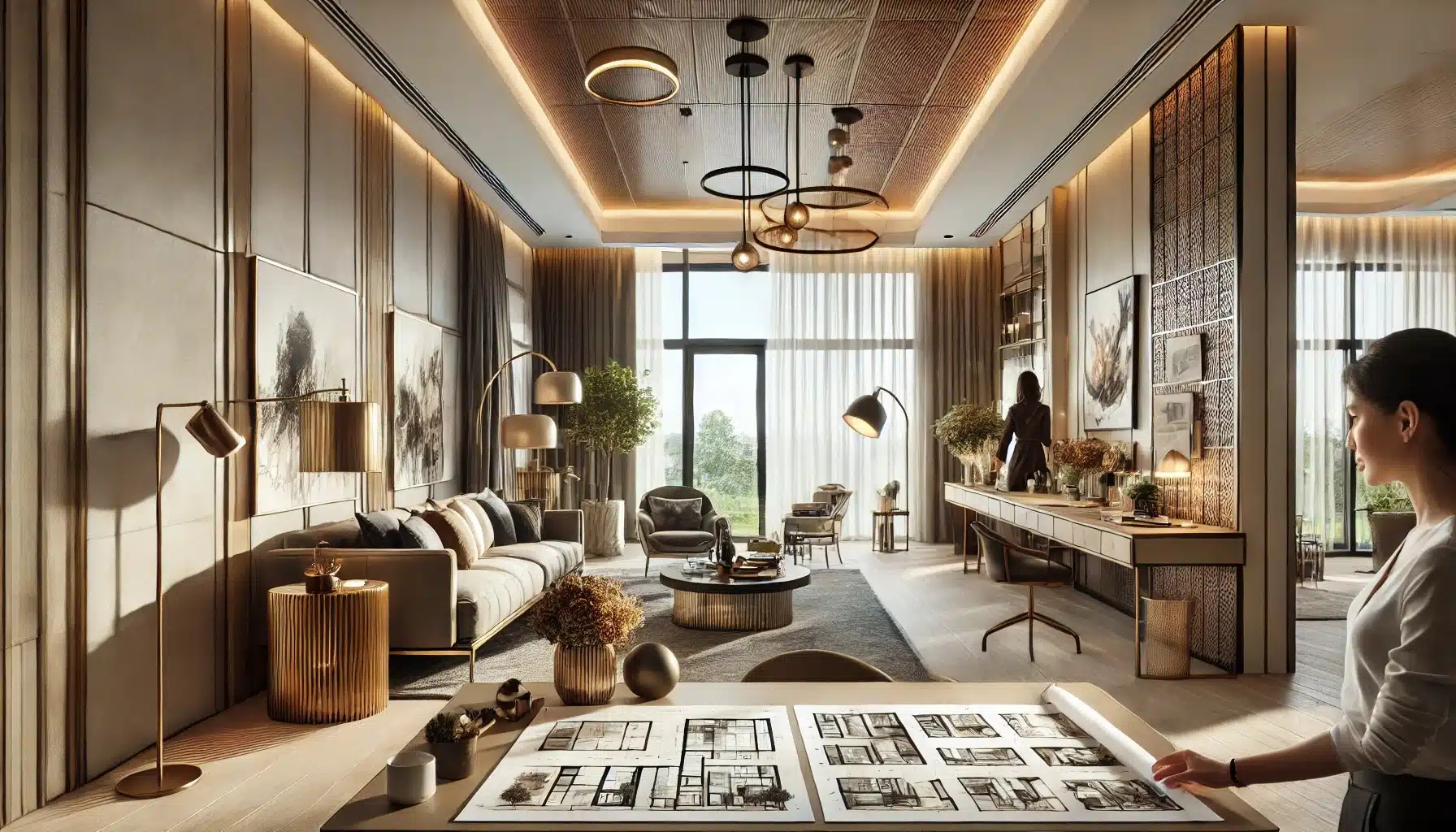
The living room often includes seating, a centre table, TV unit, wall storage, lighting and decorative elements. The budget depends on whether you select ready-made furniture, modular units or custom-built furniture.
To manage living room expenses:
- Choose furniture according to the room dimensions.
- Use a simple TV unit instead of extensive wall panelling.
- Consider ready-made seating where suitable.
- Use a limited number of decorative accessories.
- Plan lighting around seating and daily activities.
Modular Kitchen Budget

The kitchen is an important part of most residential interior projects. Its cost depends on the layout, cabinet dimensions, board specifications, shutter finishes, hardware, countertop, accessories and appliances.
Consider these budget decisions:
- Use standard cabinet dimensions wherever possible.
- Select laminate finishes for a practical and manageable option.
- Prioritise essential drawers and storage accessories.
- Choose hardware according to usage and warranty.
- Confirm whether the countertop, sink and chimney are included.
- Check the suitability of cabinet materials for moisture exposure.
Bedroom and Wardrobe Budget
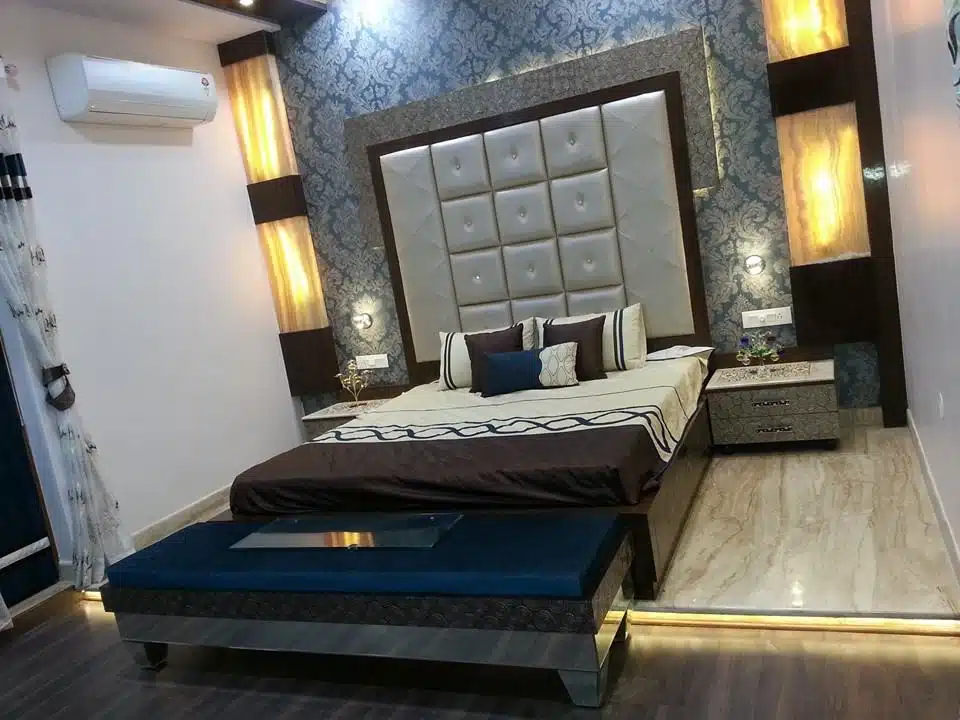
Bedroom expenses commonly include beds, wardrobes, bedside tables, dressing units, lighting and selected decorative finishes. Wardrobe dimensions and internal fittings can have a major effect on the total cost.
- Choose wardrobe layouts based on actual storage needs.
- Use practical shutter finishes.
- Include drawers and hanging sections according to usage.
- Consider storage beds where additional space is required.
- Avoid unnecessary decorative panels and complex detailing.
Dining Room and Entrance Budget
Dining furniture and entrance storage should be planned according to available space. A standard dining table, compact crockery storage and a simple shoe cabinet may be sufficient for many apartments.
If the entrance is narrow, avoid oversized furniture that blocks movement. Wall-mounted storage or a compact bench can be more practical.
3. Understand the Main Factors That Affect Interior Design Costs
Two homes with similar carpet areas can have very different interior budgets. The following factors explain why:
| Cost Factor | How It Affects the Budget |
|---|---|
| Carpet area | Larger spaces may require more furniture, finishing and lighting. |
| Material quality | Board grades, laminates, veneers, hardware and finishes influence cost. |
| Custom furniture | Complex dimensions and specialised designs can increase fabrication costs. |
| Kitchen configuration | Layout, accessories, countertop and storage requirements affect pricing. |
| Electrical work | Additional points, wiring changes and lighting circuits add to project costs. |
| False ceiling | Coverage area, ceiling height and detailing influence the cost. |
| Civil modifications | Demolition, repairs, plumbing and surface preparation may increase expenditure. |
| Project supervision | Design coordination and site management may be included or charged separately. |
| Taxes and logistics | GST, transportation, delivery and society-related expenses may affect the final amount. |
4. Choose Materials According to Your Budget and Usage
Material selection should consider durability, maintenance, appearance and the conditions in which the product will be used. Choosing the lowest-priced material without checking its specifications can lead to replacement and repair expenses later.
| Interior Application | Practical Material Option | What to Verify |
|---|---|---|
| Wardrobe shutters | Quality laminate finish | Substrate, edge banding and surface durability. |
| Kitchen cabinets | Suitable moisture-resistant board and laminate | Board grade and suitability for wet and dry zones. |
| Furniture | Engineered board or plywood as specified | Thickness, load capacity and construction quality. |
| Wall finish | Washable interior paint | Surface preparation and paint specifications. |
| Lighting | Efficient LED fixtures | Wattage, brightness, colour temperature and warranty. |
| Hardware | Standard or branded fittings according to usage | Load rating, finish and replacement availability. |
Ask your interior designer to mention material specifications in the quotation. Terms such as premium plywood, branded hardware or high-quality laminate should be supported by clear product details.
5. Plan a Budget for Design Fees and Execution
Interior designers may offer different service models. The right choice depends on how much design support and project coordination you need.
Design-Only Service
A design-only service may include layout planning, concept development, material selection, 2D drawings, 3D views and working drawings. The homeowner generally appoints contractors and manages execution separately.
Design with Site Supervision
This service adds site visits, vendor coordination and quality checks to the design scope. Confirm the number of visits, supervision responsibilities and any additional charges.
Turnkey Interior Design
A turnkey arrangement may include design, procurement, manufacturing, installation and project coordination under one agreement. It can simplify communication, but the written scope should clearly state what is included and excluded.
When comparing service models, check the complete financial commitment rather than looking only at the design fee or initial package price.
6. Include Often-Missed Expenses in Your Residential Interior Budget
Homeowners sometimes prepare a budget based only on furniture and carpentry. However, several supporting expenses may be necessary to complete the project.
- Site measurement and design consultation.
- Demolition and disposal of old materials.
- Electrical wiring and additional points.
- Plumbing modifications and repairs.
- Wall preparation, putty and painting.
- False ceiling and lighting installation.
- Transportation and material handling.
- Furniture installation and hardware fitting.
- Appliances, curtains and loose furniture if required.
- Applicable taxes and society permissions or deposits.
7. Keep a Contingency Reserve for Unexpected Work
A residential interior project may reveal issues that were not visible during the initial site inspection. Examples include damaged wiring, plumbing leakage, uneven flooring, concealed wall defects or additional surface preparation.
Consider keeping approximately 10–15% of the planned project amount as a provisional contingency reserve. This is a budgeting recommendation, not a fixed industry charge. The required reserve depends on whether the property is newly handed over, partially furnished or undergoing renovation.
Keep contingency funds separate from optional upgrades. Use them for genuine site requirements and approve additional work in writing before it begins.
8. Ten Practical Ways to Reduce Your Home Interior Budget
- Prioritise essential rooms: Complete the kitchen, wardrobes and frequently used living spaces first.
- Choose standard dimensions: Standard furniture sizes can reduce unnecessary custom fabrication.
- Use practical laminates: Select durable finishes instead of using expensive materials on every surface.
- Limit decorative ceilings: Install false ceilings only where they improve lighting or conceal services.
- Reuse suitable furniture: Retain existing pieces if they are safe, functional and compatible with the new layout.
- Plan electrical points early: Finalise lighting and furniture layouts before execution to avoid repeated changes.
- Use multifunctional furniture: Storage beds, compact study units and flexible furniture can reduce clutter.
- Choose a consistent finish palette: Fewer coordinated finishes can simplify procurement.
- Compare equivalent quotations: Review the same materials, dimensions and inclusions from each provider.
- Reduce last-minute changes: Approve drawings and specifications before manufacturing begins.
9. Residential Interior Design Budget Considerations for Gurugram Properties
Gurugram includes high-rise apartments, gated communities, builder floors, independent houses and villas. Each property type can have different access, execution and design requirements.
High-Rise Apartments
Apartment projects may require advance permission from the society or maintenance office. Check work timings, lift bookings, delivery access, material storage and waste disposal arrangements before starting.
Builder Floors
Builder floors may offer different layout opportunities but can also require attention to staircases, utility spaces, electrical distribution, plumbing and existing construction quality.
Independent Houses and Villas
Larger homes may need separate planning for multiple floors, family lounges, guest rooms, study spaces, utility areas and additional storage. A room-by-room execution strategy can help manage expenditure.
These considerations are also relevant to homeowners planning interiors in Gurgaon, Noida, Faridabad and other parts of Delhi NCR.
10. Prepare a Detailed Interior Design Budget Before Signing a Contract
A written budget and scope document help reduce misunderstandings during execution. Before signing an agreement, ask for the following information:
- Property measurements and approved layout.
- Room-wise furniture and carpentry quantities.
- Material specifications and finish references.
- Hardware make and model where applicable.
- Electrical, plumbing and civil work details.
- Design fee and project supervision charges.
- Transportation and installation costs.
- Applicable taxes and payment milestones.
- Expected project timeline and handover conditions.
- Warranty terms and maintenance responsibilities.
- Exclusions and additional-work approval procedure.
For further guidance, read how to choose an interior designer in Gurgaon and review the interior design payment schedule.
Sample Residential Interior Budget Planning Template
Use the following structure when preparing your own project estimate. Enter actual quotations after the site measurement and design discussion.
| Budget Category | Estimated Amount | Final Quoted Amount |
|---|---|---|
| Design and drawings | To be estimated | To be filled |
| Modular kitchen | To be estimated | To be filled |
| Wardrobes and storage | To be estimated | To be filled |
| Living room furniture | To be estimated | To be filled |
| Beds and bedroom furniture | To be estimated | To be filled |
| Electrical and lighting | To be estimated | To be filled |
| False ceiling and painting | To be estimated | To be filled |
| Civil and plumbing work | To be estimated | To be filled |
| Delivery and installation | To be estimated | To be filled |
| Taxes and other charges | To be estimated | To be filled |
| Contingency reserve | Provisional allowance | To be filled |
| Total Project Budget | To be calculated | To be calculated |
Frequently Asked Questions About Residential Interior Design Budget in Gurugram
1. What is the average residential interior design budget in Gurugram?
The budget depends on property size, materials, furniture, finishes and execution scope. As a broad planning reference, a coordinated 2BHK interior may require approximately ₹7–18 lakh and a 3BHK approximately ₹12–25 lakh. These are indicative ranges, not fixed quotations.
2. How much should I budget for a 2BHK interior in Gurugram?
A 2BHK interior budget can vary considerably according to kitchen specifications, wardrobes, furniture, lighting, civil work and finishes. A preliminary planning range of approximately ₹7–18 lakh can be considered for a coordinated fit-out, subject to the actual scope and quotation.
3. What is the estimated interior budget for a 3BHK in Gurugram?
A 3BHK interior may require approximately ₹12–25 lakh as an initial planning range for a coordinated fit-out. Premium materials, custom furniture, extensive ceilings, automation and civil modifications can increase the investment.
4. What are the biggest expenses in residential interior design?
Major expenses commonly include modular kitchens, wardrobes, fixed furniture, beds, living room storage, lighting, false ceilings, painting and civil or electrical modifications. The exact share depends on the home’s requirements.
5. How can I reduce my home interior design budget?
Prioritise essential rooms, use practical laminate finishes, select standard furniture dimensions, avoid unnecessary decorative ceilings, reuse suitable existing furniture and compare itemised quotations with matching specifications.
6. Should I include GST in my residential interior design budget?
Yes. Ask the designer or contractor to show applicable GST separately in the quotation and confirm how taxes are calculated on design fees, materials and execution. The final tax treatment depends on the service and contract structure.
7. Is turnkey interior design more expensive than hiring separate contractors?
Turnkey interior design may have a higher visible package price because it can include design coordination, procurement, supervision and execution. Separate contractors may offer different costs but require the homeowner to coordinate vendors and responsibilities. Compare the complete scope before deciding.
8. Why should I keep a contingency in my interior design budget?
A contingency helps cover unexpected repairs, site conditions, electrical or plumbing changes, delivery issues and approved design modifications. Keeping approximately 10–15% of the planned project amount as a provisional reserve can be a useful budgeting approach.
Conclusion: Create a Practical Residential Interior Design Budget in Gurugram
A successful residential interior design budget in Gurugram starts with a clear understanding of your family’s requirements, property dimensions and available investment. Planning the kitchen, wardrobes, living room, bedrooms, lighting and finishing work separately makes it easier to control expenses and compare quotations.
Choose materials according to their intended use, avoid unnecessary customisation, keep a contingency reserve and confirm every inclusion in writing. Whether you are furnishing a compact apartment, a 2BHK or 3BHK home, a builder floor or a villa, a practical budget can help you achieve a comfortable and well-organised living space.
The most effective interior budget is not simply the lowest amount. It is a realistic investment plan that balances quality, functionality, durability and long-term value.
Explore Home Interior Design Ideas and Budget Guidance
Planning a residential interior project in Gurugram, Gurgaon, Noida or Delhi NCR? Explore Interior A to Z for more information about home interior costs, material selection, renovation planning and practical design solutions.
Visit Interior A to Z to explore home interior design resources and planning guides.