Affordable Residential Interior Design in Gurugram: 12 Smart Ideas for a Beautiful Home
Affordable residential interior design in Gurugram is about creating a comfortable, practical and attractive home while making careful decisions about materials, furniture, storage and execution. Whether you own a compact apartment, a 2BHK or 3BHK flat, a builder floor or an independent house, the right planning can help you achieve a well-designed home without spending unnecessarily.
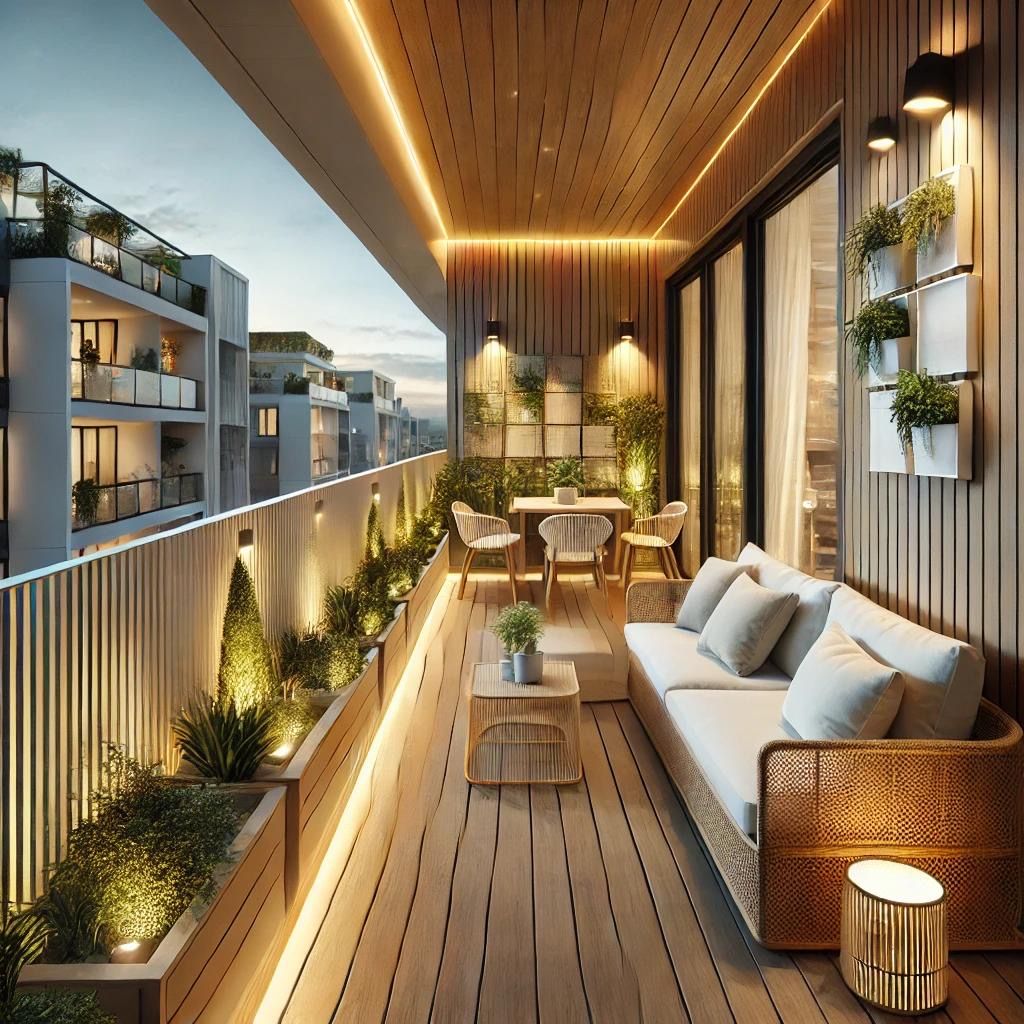
What Is Affordable Residential Interior Design?
Affordable residential interior design means using design, materials and furniture intelligently to make a home functional and visually balanced within a specific budget. Instead of choosing expensive finishes for every surface, the focus is on understanding how each room will be used and investing in elements that provide everyday value.
In Gurugram, residential properties range from compact high-rise apartments to spacious builder floors, villas and independent houses. Each property has different space requirements, construction conditions and interior expectations. A practical design plan should reflect the property’s layout, family size, lifestyle and available investment.
An affordable home does not need to look unfinished or ordinary. Consistent colours, well-planned lighting, functional storage and coordinated furniture can create a polished appearance without excessive decoration.
12 Smart Ideas for Affordable Residential Interior Design in Gurugram
1. Begin with a Realistic Interior Design Budget
Before selecting furniture or finishes, decide how much you can comfortably invest in the project. Divide the budget into essential categories so that important requirements are not overlooked.
A practical budget can include:
- Modular kitchen and essential storage.
- Bedroom wardrobes and beds.
- Living room furniture and television storage.
- Lighting and electrical improvements.
- Painting, repairs and necessary civil work.
- Curtains, furnishings and basic decoration.
- Delivery, installation, taxes and contingency.
Keep a contingency allowance for unexpected site requirements. This is particularly useful in resale apartments and older builder floors where concealed repairs may become visible after work begins.
2. Prioritise Rooms According to Daily Use
Not every room needs the same level of customisation. Start with spaces that have the greatest impact on daily comfort and household organisation.
- Kitchen: Prioritise storage, worktop space and practical cabinet organisation.
- Master bedroom: Invest in a comfortable bed and a functional wardrobe.
- Living room: Plan comfortable seating, lighting and essential storage.
- Children’s room: Consider a study desk, accessible storage and flexible furniture.
- Guest room: Keep the design simple and functional if it is used occasionally.
This approach helps homeowners avoid spending heavily on decorative elements before essential requirements are completed.
3. Choose Durable and Budget-Friendly Materials
Material selection is one of the most important decisions in affordable residential interior design. The objective is to balance appearance, durability, maintenance and cost.
| Interior Element | Budget-Conscious Option | Important Consideration |
|---|---|---|
| Wardrobe shutters | Quality decorative laminate | Check edge finishing, substrate and cleaning requirements. |
| Kitchen cabinets | Suitable moisture-resistant board with laminate finish | Specify board grade according to exposure and location. |
| Wall finish | Standard washable interior paint | Prepare the surface properly before painting. |
| Furniture | Simple modular or standard-size furniture | Check structural strength and hardware quality. |
| Lighting | Efficient LED fixtures | Plan brightness and colour temperature by room. |
| Decorative finish | One selected feature wall | Avoid expensive finishes across every wall. |
Avoid choosing boards or hardware solely because they are inexpensive. Ask for product specifications, moisture suitability, warranty information and written material details before approving the order.
4. Plan a Simple and Functional Modular Kitchen

The kitchen is often one of the major expenses in a residential interior project. However, an efficient layout can reduce unnecessary customisation and improve everyday convenience.
Consider these cost-conscious kitchen design ideas:
- Choose a layout that suits the existing plumbing and electrical points.
- Use standard cabinet dimensions wherever practical.
- Select a laminate finish instead of expensive decorative finishes for every cabinet.
- Prioritise essential drawers, shelves and corner storage.
- Choose hardware based on load, frequency of use and warranty.
- Compare countertop materials before finalising the kitchen specification.
- Include appliances only if they are part of the agreed project budget.
A straight, L-shaped or parallel kitchen can work well depending on the available space. The best layout is the one that provides safe movement, convenient work zones and sufficient storage.
Read more about home interior design services and ideas before finalising your kitchen requirements.
5. Use Smart Wardrobe Designs to Maximise Storage
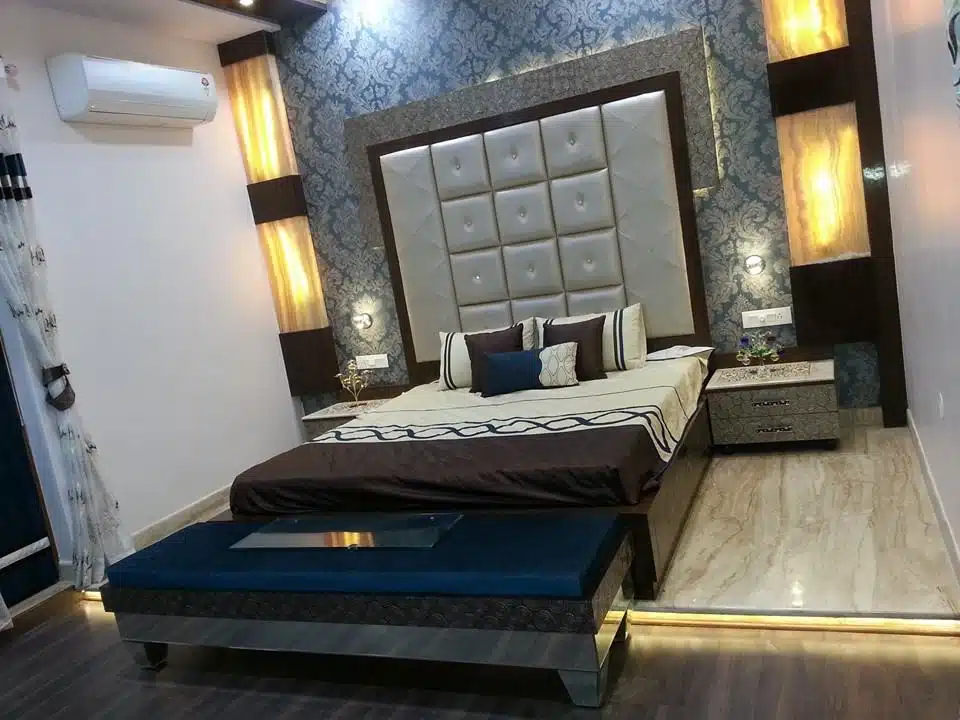
A well-designed wardrobe can reduce clutter and make a bedroom easier to maintain. Instead of adding decorative panels or expensive finishes, focus on the internal arrangement.
- Plan hanging sections according to the family’s clothing requirements.
- Include drawers for smaller accessories.
- Use overhead storage for seasonal belongings.
- Choose hinged or sliding shutters based on available clearance.
- Use durable laminate finishes for a practical appearance.
- Plan loft storage where ceiling height and access permit.
For smaller bedrooms in Gurugram apartments, a properly measured wardrobe can provide useful storage without obstructing circulation.
6. Select Multifunctional Furniture for Compact Homes
Multifunctional furniture is especially useful in compact apartments and builder floors. It helps reduce the number of separate furniture pieces while making better use of available floor space.
Useful options include:
- Storage beds with drawers or lift-up compartments.
- Foldable study tables for occasional work.
- Extendable dining tables for flexible seating.
- Wall-mounted shelves and compact side tables.
- Storage benches near the entrance.
- Sofa beds for occasional guests, where suitable.
Before ordering multifunctional furniture, check its dimensions, opening clearance, weight capacity and ease of operation.
7. Use Light Colours to Create a Spacious Look
Colour selection can influence how spacious and bright a room feels. Light shades such as warm white, beige, soft grey and muted pastels can help reflect available light and create a calm interior.
A simple colour palette also makes it easier to coordinate furniture, curtains and decorative accessories. You can introduce contrast through cushions, artwork, rugs or one feature wall instead of using expensive wall treatments throughout the home.
8. Plan Lighting Before Buying Decorative Fixtures
A good lighting plan improves both functionality and the overall appearance of a home. Instead of installing decorative fixtures everywhere, use lighting according to the activity performed in each room.
- Living room: General lighting with focused lighting near reading or seating areas.
- Kitchen: Adequate task lighting over work surfaces.
- Bedroom: Comfortable ambient lighting with bedside options.
- Study: Focused task lighting to support reading and computer work.
- Passage: Simple, efficient fixtures for safe movement.
LED fixtures can help reduce electricity consumption compared with less efficient alternatives. Confirm electrical points and wiring requirements before furniture installation.
9. Avoid Unnecessary False Ceilings and Wall Panelling
False ceilings and decorative wall panelling can improve the appearance of selected spaces, but they should not be treated as essential in every room.
If the budget is limited, consider a simple ceiling finish and use decorative treatment only where it creates a clear design benefit. A clean ceiling with well-positioned lights can look attractive without complex detailing.
10. Retain Existing Features That Are in Good Condition
Replacing every existing element can increase the total project cost. Before starting work, inspect the flooring, doors, windows, bathroom fittings and existing furniture.
If an element is functional and visually acceptable, retaining it may be more economical than replacing it. For example, existing flooring can sometimes be cleaned or repaired instead of being removed, provided its condition and level are suitable.
Any proposed reuse should be assessed for safety, quality and compatibility with the new design.
11. Compare Detailed Quotations Before Selecting a Designer
Obtain itemised proposals before appointing an interior designer or contractor. A low initial quotation may exclude important work that later becomes an additional expense.
Ask every service provider to specify:
- Furniture dimensions and quantities.
- Board type, thickness and grade.
- Laminate, paint and other finish specifications.
- Hardware make, model and warranty.
- Electrical, plumbing and civil work included.
- Transportation, installation and labour charges.
- Taxes and payment milestones.
- Items excluded from the quotation.
- Expected project schedule and handover process.
Compare proposals on an equivalent scope rather than selecting a designer based only on the total amount.
12. Plan the Project in Phases if Necessary
If completing the entire home at once is not financially practical, consider dividing the project into clearly defined phases.
- Phase 1: Essential repairs, electrical planning and basic painting.
- Phase 2: Kitchen, wardrobes and essential fixed storage.
- Phase 3: Beds, seating, dining and study furniture.
- Phase 4: Curtains, rugs, artwork and decorative accessories.
Discuss the complete design before beginning phased execution. This helps ensure that later furniture, finishes and electrical points remain compatible with the overall plan.
Affordable Residential Interior Design for Different Home Types in Gurugram
Affordable 1BHK Interior Design
A compact 1BHK benefits from multifunctional furniture, a streamlined kitchen, efficient wardrobes and an uncluttered living area. Avoid oversized furniture that reduces movement space. Focus on essential storage and a consistent colour palette.
Affordable 2BHK Interior Design
A 2BHK home usually needs a practical kitchen, two bedroom storage plans, comfortable living room furniture and suitable lighting. Prioritise the kitchen and frequently used bedroom storage before adding decorative features.
Affordable 3BHK Interior Design
A 3BHK provides more flexibility but can also involve a larger furniture and finishing budget. Consider different uses for the third bedroom, such as a guest room, children’s room or home office. Use standard furniture dimensions and coordinated finishes to control costs.
Affordable Builder Floor and Independent House Interiors
Builder floors and independent houses may require additional attention to electrical layouts, staircases, storage, utility spaces and existing construction conditions. Plan essential civil and repair work before finalising decorative finishes.
Affordable Villa Interior Design
Villas often have larger rooms and more extensive storage requirements. A phased design approach can help distribute investment across bedrooms, living spaces, kitchen, dining and outdoor-connected areas. Focus on consistent materials and practical furniture rather than customising every surface.
What Is the Cost of Affordable Residential Interior Design in Gurugram?
The cost of residential interior design in Gurugram depends on the home’s carpet area, design scope, material specifications, furniture quantities, hardware, site conditions and level of project management. There is no single price that applies to every apartment or house.
Published Gurgaon cost guides show substantial variation. One 2026 guide gives illustrative full-home ranges of approximately ₹7–12 lakh for a 2BHK and ₹12–20 lakh for a 3BHK, while other published estimates use different inclusions and price bands. These figures should be treated as preliminary planning references, not fixed quotations.
A limited-scope project covering selected furniture, a kitchen or essential wardrobes may cost less than a complete turnkey interior. However, the scope must be clearly defined before comparing budgets.
Factors That Influence Your Interior Budget
- Carpet area and room dimensions.
- Number and size of wardrobes and storage units.
- Kitchen layout, cabinet configuration and accessories.
- Choice of plywood, engineered boards and laminates.
- Hardware quality and brand selection.
- Custom furniture versus standard-size furniture.
- False ceiling, painting and lighting requirements.
- Electrical, plumbing and civil modifications.
- Transportation, installation, taxes and project supervision.
For a more detailed explanation, read the guide to home interior design cost in Gurgaon and compare it with the interior work rate list.
Room-Wise Budget Planning for an Affordable Home
A room-wise budget makes it easier to decide where to invest and where to simplify. The following table is a planning framework, not a price quotation.
| Room | Essential Work | Where to Save |
|---|---|---|
| Living room | Seating, lighting and essential storage | Use standard furniture and limit decorative panelling. |
| Kitchen | Cabinets, worktop and functional hardware | Choose practical finishes and avoid unnecessary accessories. |
| Master bedroom | Bed, wardrobe and bedside lighting | Use simple shutters and standard internal fittings. |
| Second bedroom | Bed, wardrobe and basic storage | Choose flexible furniture and avoid excessive customisation. |
| Study or guest room | Desk, storage and suitable lighting | Use a multipurpose layout. |
| Entrance | Shoe storage and practical lighting | Choose a compact ready-made or simple custom unit. |
How to Choose Affordable Interior Designers in Gurugram
Choosing an interior designer involves more than comparing package prices. The right professional should understand your lifestyle, property layout, budget and expectations.
Use these points when evaluating a designer:
- Review relevant projects: Look for completed residential interiors similar to your property type.
- Understand the design process: Ask about measurements, layouts, drawings, material selection and approvals.
- Check material specifications: Confirm board grades, finishes, hardware and installation standards.
- Ask about site supervision: Clarify who coordinates workers, vendors and quality checks.
- Understand the payment schedule: Payments should be linked to clearly defined project milestones.
- Read the agreement: Confirm scope, timeline, exclusions, changes and warranty responsibilities.
Read how to choose an interior designer in Gurgaon for more detailed selection guidance.
Affordable Interior Design Considerations for Gurugram and Delhi NCR
Residential projects in Gurugram may involve apartment society permissions, building access rules, lift booking, working-hour restrictions and material delivery procedures. These practical conditions should be checked before work begins.
Homeowners should also consider the local availability of materials, installation teams and replacement hardware. A design that relies on easily sourced products may be simpler to maintain than one that depends on specialised finishes or difficult-to-replace components.
The same principles apply to residential interiors in Gurgaon, Noida, Faridabad and other parts of Delhi NCR. Local site conditions and vendor availability can affect the final project cost and schedule.
Before starting execution, confirm:
- Society renovation permissions and working hours.
- Lift and material movement arrangements.
- Electrical load and existing plumbing conditions.
- Waste removal and site protection requirements.
- Delivery access and storage arrangements.
- Any building-specific restrictions on drilling or structural changes.
Common Mistakes to Avoid When Planning Budget Home Interiors
- Choosing the cheapest quotation: A low price may exclude installation, hardware, taxes or essential work.
- Ignoring internal storage: Attractive furniture may not meet everyday storage needs.
- Using unsuitable materials: Material grade should match moisture exposure and intended usage.
- Changing the design repeatedly: Late changes can affect production, costs and schedules.
- Overdesigning small rooms: Too much furniture or decoration can make compact spaces uncomfortable.
- Skipping measurements: Incorrect dimensions can cause installation problems.
- Not keeping a contingency: Unexpected repairs can disrupt a tightly fixed budget.
- Leaving exclusions unclear: Confirm what is and is not included in writing.
Affordable Residential Interior Design Checklist
- Define the total project budget.
- Measure the property and confirm room dimensions.
- List essential furniture and storage requirements.
- Decide which existing items can be reused.
- Choose a coordinated colour and material palette.
- Prepare a room-wise design and execution plan.
- Obtain itemised quotations from suitable providers.
- Verify materials, hardware and warranty details.
- Confirm society permissions and site access.
- Keep a contingency for unexpected expenses.
- Approve drawings and specifications before production.
- Inspect completed work before final handover.
Frequently Asked Questions About Affordable Residential Interior Design in Gurugram
1. What is affordable residential interior design in Gurugram?
Affordable residential interior design in Gurugram means planning a functional and attractive home within a defined budget. It focuses on essential furniture, practical storage, suitable materials, efficient layouts and controlled customisation.
2. How can I reduce the cost of home interior design in Gurugram?
You can reduce home interior costs by prioritising essential rooms, using standard laminate finishes, selecting modular furniture, limiting decorative ceilings and wall panels, reusing suitable existing furniture and comparing detailed quotations.
3. Which materials are suitable for budget-friendly home interiors?
Suitable options can include quality laminates, appropriately graded plywood or engineered boards, standard hardware, washable interior paint and durable locally available finishes. Material selection should consider moisture exposure, usage and manufacturer specifications.
4. Can a small apartment in Gurugram look spacious on a limited budget?
Yes. Light colours, suitable lighting, multifunctional furniture, wall-mounted storage, uncluttered layouts and carefully planned wardrobes can make a small apartment feel more spacious without extensive renovation.
5. Is a modular kitchen affordable for a residential home?
A modular kitchen can be planned for different budgets. A straightforward layout, practical laminate finish, standard cabinet sizes and carefully selected hardware can help control costs. The final price depends on dimensions, materials, accessories, countertop and installation.
6. Should I choose turnkey or room-by-room interior design?
Turnkey interior design can provide coordinated planning and execution under one agreement, while room-by-room work allows homeowners to spread expenditure over time. Compare the total scope, supervision, exclusions and responsibilities before deciding.
7. How do I compare affordable interior design quotations in Gurugram?
Compare itemised quotations that specify dimensions, board grades, finish codes, hardware, installation, electrical and civil work, taxes, delivery, warranties and exclusions. Do not select a proposal based only on its lowest headline price.
Conclusion: Plan an Affordable and Functional Home in Gurugram
Affordable residential interior design in Gurugram starts with clear priorities, accurate measurements and a realistic budget. Practical material choices, efficient modular furniture, organised storage and simple lighting can make a significant difference to the comfort and appearance of a home.
Whether you are planning a 1BHK, 2BHK, 3BHK, builder floor, independent house or villa, focus on long-term usability rather than unnecessary decoration. Compare detailed quotations, confirm material specifications and plan execution carefully to avoid unexpected expenses.
A well-planned residential interior should suit your family’s lifestyle, available space and financial priorities. The best design is not necessarily the most expensive one; it is the one that makes everyday living easier and more comfortable.
Plan Your Residential Interior Design Project
Looking for practical residential interior design ideas for your home in Gurugram, Gurgaon, Noida or Delhi NCR? Explore the resources at Interior A to Z to understand design planning, materials, storage solutions and project budgeting before beginning your home interior work.
Explore Interior A to Z for more home interior design information and ideas.