How to Reduce Home Interior Cost in Gurugram: 15 Smart Ways to Save
Planning a beautiful home does not always require an expensive interior budget. If you want to reduce home interior cost in Gurugram, focus on practical space planning, suitable materials, essential furniture and careful execution. By avoiding unnecessary customisation, reusing functional furniture and comparing detailed quotations, homeowners can manage expenses without sacrificing everyday comfort or durability.
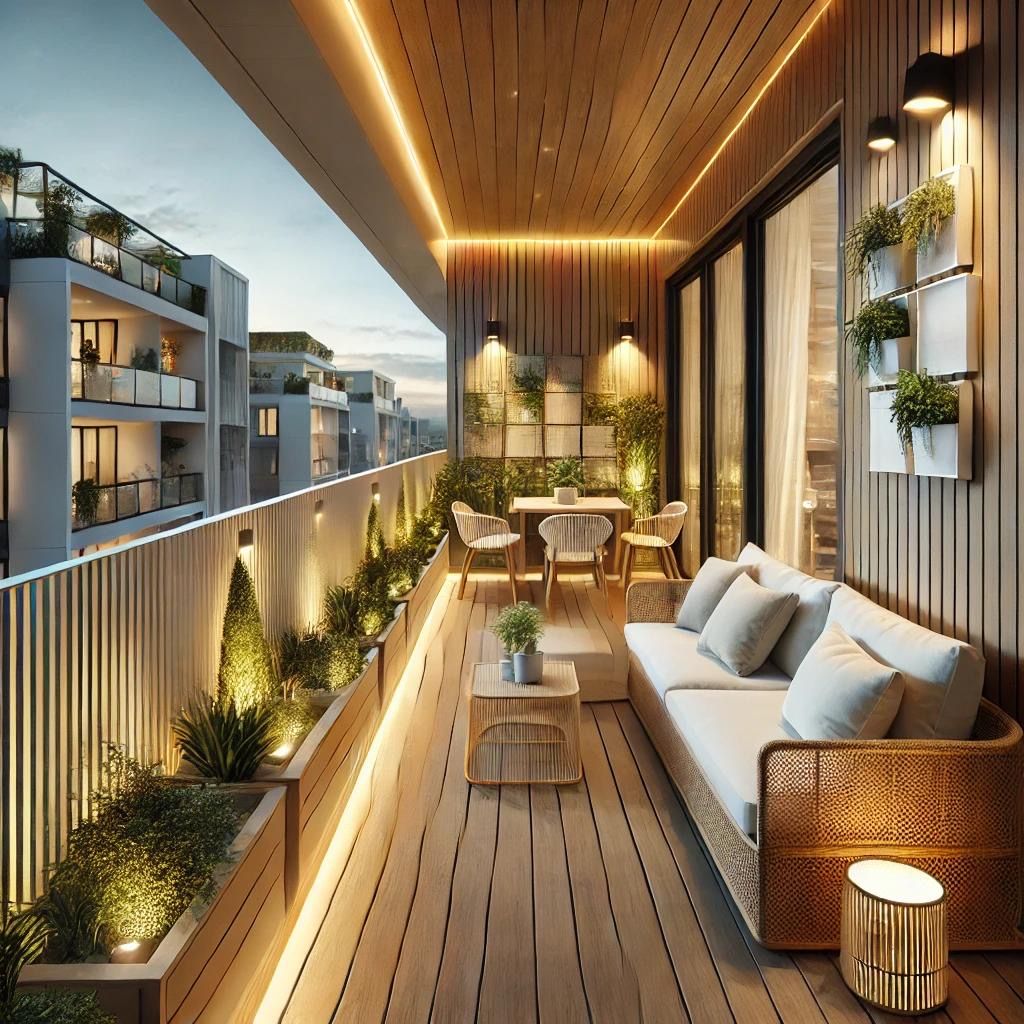
Quick Answer: How Can You Reduce Home Interior Cost in Gurugram?
To reduce home interior cost in Gurugram, finalise your design before execution, prioritise essential rooms, select durable laminate finishes, use modular furniture where suitable, reuse existing furniture, simplify false ceilings, avoid unnecessary civil changes and compare itemised contractor quotations.
Spend carefully on kitchen cabinets, wardrobe construction, hardware, electrical safety and moisture protection. Save on decorative elements that can be upgraded later, such as accent walls, loose furniture, accessories and premium finishes.
Why Does Home Interior Design Become Expensive?
Home interior costs can increase when the scope is not defined clearly. Multiple design revisions, premium finishes in every room, unnecessary civil work, excessive built-in furniture and last-minute changes can make a project more expensive than expected.
In Gurugram, the budget may also depend on the property type, site access, society requirements, material delivery and existing condition of the home. A new apartment with basic builder finishes may need a different approach from an older builder floor requiring renovation.
Before selecting materials or furniture, make a room-wise list of requirements. Decide what must be completed immediately and what can be added later.
15 Smart Ways to Reduce Home Interior Cost in Gurugram
1. Set a Fixed Budget Before Starting
Begin with a realistic budget based on your property size, room requirements and expected quality. Divide the available amount into major categories such as kitchen, wardrobes, furniture, lighting, painting, electrical work and décor.
Keep a separate reserve for unexpected repairs or changes. This prevents the entire budget from being consumed by decorative features before essential work is completed.
- Set a maximum project budget.
- List essential and optional work separately.
- Identify items that can be purchased later.
- Keep a contingency reserve for site-related surprises.
2. Finalise the Design Before Execution
Changes during execution can increase material wastage, labour requirements and installation time. Finalise furniture dimensions, electrical points, kitchen layouts, wardrobe interiors and finish selections before ordering materials.
Ask your designer for approved drawings and an itemised BOQ (Bill of Quantities). These documents help keep the project aligned with the original budget.
3. Choose Modular Furniture Where Practical
Modular kitchens, wardrobes and storage units can be cost-effective when standard sizes and practical configurations are used. Factory production can also provide more predictable finishing and installation.
Custom furniture is still useful for unusual room dimensions or specific design requirements. Use it selectively instead of customising every furniture item.
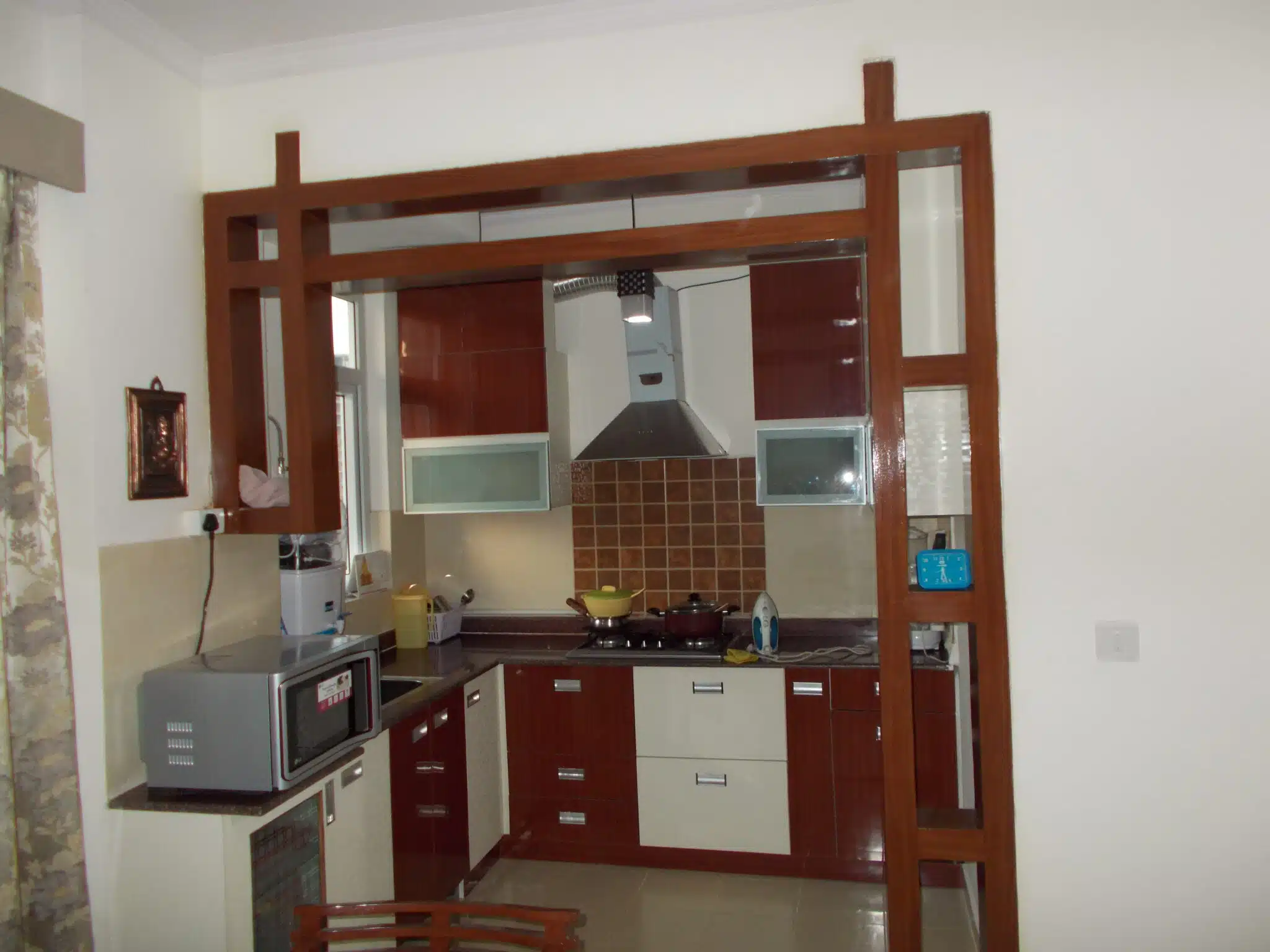
4. Use Laminates Instead of Premium Finishes Everywhere
Laminates offer a wide range of colours, wood textures and surface designs. They can be a practical alternative to using veneer, acrylic or specialised painted finishes throughout the home.
Select finishes according to the location and expected use. A premium finish can be reserved for a focal area while simpler laminates are used for secondary storage units.
- Use durable laminates for wardrobes and storage.
- Consider a premium accent finish for selected visible areas.
- Compare scratch resistance and cleaning requirements.
- Check the finish sample before approving production.
5. Retain Existing Flooring if It Is in Good Condition
Replacing flooring throughout a home can add material, labour, demolition, debris removal and finishing expenses. If the existing flooring is structurally sound and visually acceptable, consider retaining it.
Refresh the room with new paint, rugs, curtains, lighting and coordinated furniture. Replace flooring only where damage, unevenness or functional problems make it necessary.
6. Avoid Unnecessary False Ceiling Work
A decorative false ceiling is not essential in every room. If the existing ceiling is in good condition, surface-mounted lights and carefully positioned fixtures may provide a clean and practical solution.
Use false ceilings selectively where they are needed to conceal services, create specific lighting effects or solve design requirements. A simpler ceiling plan can reduce material and installation work.
7. Reuse and Refurbish Existing Furniture
Before buying new furniture, inspect what you already own. Structurally sound furniture may be refreshed with polishing, repainting, new handles or upholstery.
- Reupholster a usable sofa instead of replacing it.
- Polish or refinish wooden furniture.
- Convert an old cabinet into a storage or display unit.
- Reuse dining chairs with updated upholstery.
- Retain furniture that fits the new room layout.
Refurbishment is worthwhile when the cost of repair is reasonable compared with buying a replacement.
8. Keep Wardrobe Designs Simple and Functional
Wardrobes are an important part of a bedroom interior budget. Complicated shutters, excessive decorative details and numerous specialised accessories can increase the cost.
Use a straightforward internal arrangement with shelves, hanging sections and a practical number of drawers. Standard hinged shutters may be suitable where there is enough clearance in front of the wardrobe.
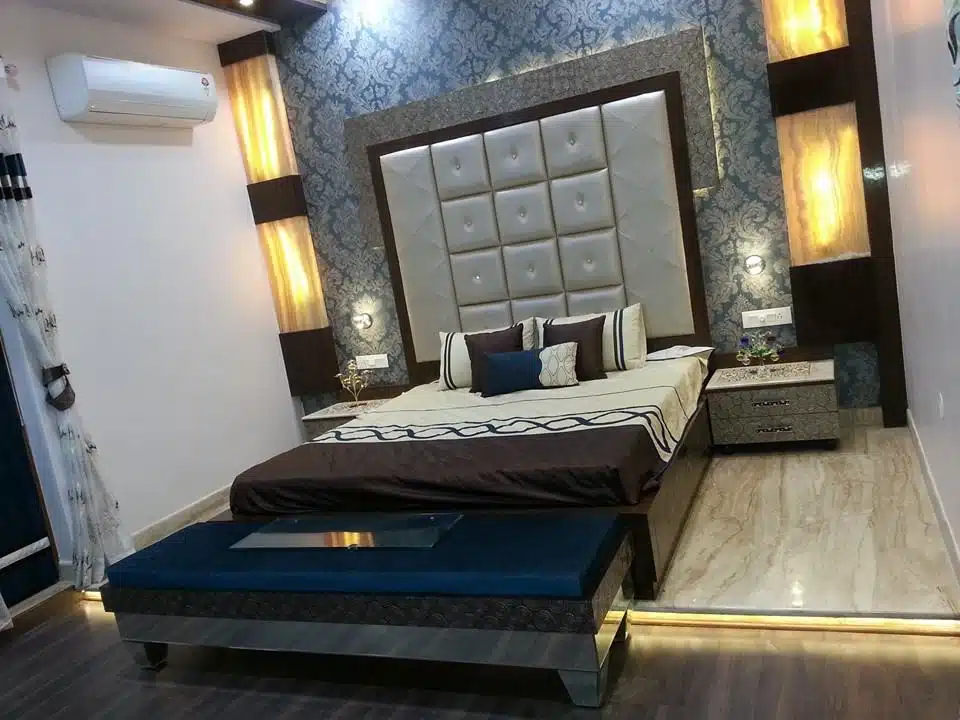
9. Avoid Unnecessary Civil Changes
Moving walls, shifting plumbing lines, changing flooring levels and relocating electrical points can add significant work. Retain the existing layout wherever it functions well.
If a layout change is necessary, assess the full cost of demolition, repair, plumbing, electrical work and finishing before proceeding. Never modify structural elements without appropriate professional assessment and required permissions.
10. Select Standard Hardware for Suitable Applications
Branded and specialised hardware can improve usability, but expensive mechanisms are not necessary for every cabinet. Choose hardware based on frequency of use, load, durability and warranty.
- Use reliable standard hinges for regular shutters.
- Choose drawer channels according to actual usage.
- Reserve specialised pull-outs for areas where they add value.
- Compare product specifications rather than brand names alone.
Do not compromise on essential cabinet construction or fittings simply to achieve the lowest possible quotation.
11. Use Paint Strategically Instead of Expensive Wall Treatments
Wall panelling, stone cladding, textured finishes and decorative wallpaper can increase the cost of a room. A well-chosen paint colour can create an attractive result with fewer materials and less installation work.
Consider one accent wall rather than applying decorative treatments to every wall. Use durable paint suited to the room and the condition of the surface.
12. Choose Practical Lighting Instead of Over-Decorating
Good lighting does not require an expensive fixture in every corner. Plan general, task and accent lighting according to the way each room is used.
- Use suitable ceiling lights for general illumination.
- Add task lighting in kitchens and study areas.
- Use selected accent lights to highlight important features.
- Avoid unnecessary decorative fixtures and excessive wiring.
13. Choose Ready-Made Furniture for Suitable Items
Not every furniture item needs to be custom-built. Ready-made furniture may be suitable for dining tables, chairs, coffee tables, side tables and accent pieces.
Customise permanent built-in storage where precise measurements matter, and consider standard furniture for movable items. Compare dimensions, material quality, delivery and warranty before purchasing.
14. Compare Detailed Quotations from Multiple Contractors
Request two or three quotations based on the same room-wise requirements and material specifications. Compare the BOQ, quantities, board grades, hardware, labour, transportation, installation and taxes.
A lower quotation may exclude items that another contractor has included. The objective is to compare the complete scope rather than selecting the lowest headline amount.
15. Complete the Home in Planned Phases
You do not need to complete every decorative feature before moving into your home. Phased execution can spread expenses over time, provided the complete layout and essential services are planned in advance.
Complete the kitchen, essential wardrobes, electrical work and necessary repairs first. Add optional décor, extra furniture and decorative upgrades later.
Choose Interior Materials Strategically to Reduce Cost
Material selection should balance initial price, durability, maintenance and suitability. The cheapest option is not always the most economical over the long term.
| Interior element | Practical budget-conscious choice | Important consideration |
|---|---|---|
| Wardrobe shutters | Standard laminate finish | Check surface quality and edge finishing. |
| Kitchen cabinets | Suitable moisture-resistant board and practical laminate | Confirm board grade and protection near water sources. |
| Wall finish | Good-quality paint | Prepare and repair the wall before painting. |
| Ceiling | Existing ceiling with selected light fixtures | Check wiring and service requirements. |
| Living room storage | Compact modular or wall-mounted unit | Plan storage around actual equipment and usage. |
| Loose furniture | Standard ready-made furniture where suitable | Check dimensions, construction and warranty. |
| Countertop | Practical locally available stone option | Compare maintenance, durability and installation. |
Ask your designer or contractor to specify the exact product, thickness, grade, finish and hardware model in the quotation. This makes it easier to compare alternatives without reducing quality unknowingly.
Room-Wise Ideas to Reduce Home Interior Cost
Budget-Friendly Living Room Interiors
The living room can look attractive without extensive wall panelling or expensive custom furniture. Focus on comfortable seating, appropriate lighting and a well-proportioned TV unit.
- Choose a compact TV unit instead of a full-wall cabinet.
- Use paint or a single accent finish for the feature wall.
- Consider ready-made coffee tables and side tables.
- Use existing flooring if it is in good condition.
- Choose curtains and rugs according to the room size.
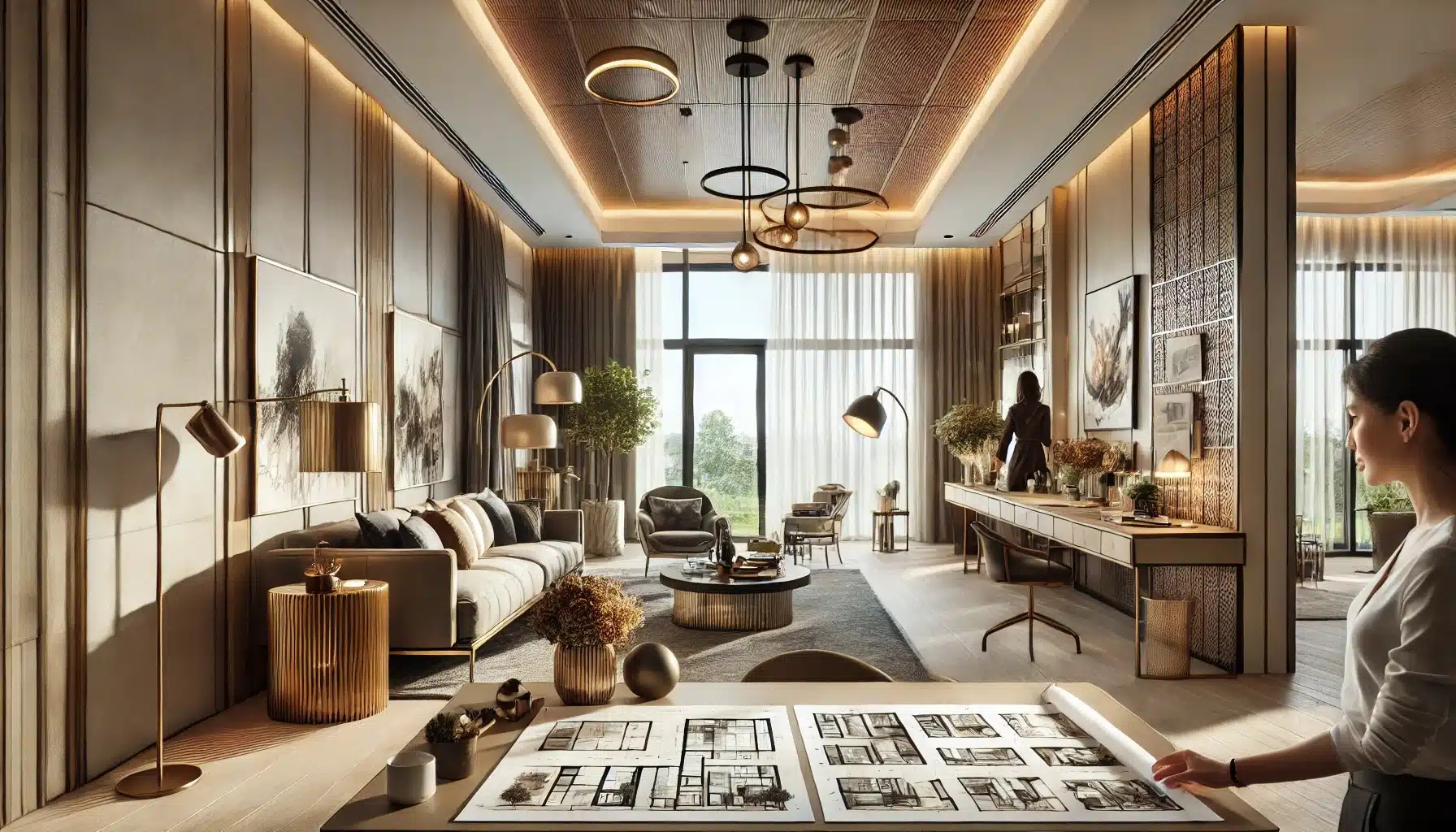
Budget-Friendly Bedroom Interiors
- Use a simple bed design with practical storage.
- Choose standard laminate wardrobe shutters.
- Avoid unnecessary decorative wall panels.
- Use compact bedside tables.
- Consider existing furniture that can be refurbished.
Budget-Friendly Modular Kitchen
- Retain the existing plumbing layout where practical.
- Choose standard cabinet sizes.
- Use practical laminate shutters.
- Limit specialised pull-out accessories to essential areas.
- Compare countertop options before finalising the design.
- Plan appliance dimensions before manufacturing cabinets.

Budget-Friendly Bathroom Improvements
- Retain existing tiles if they are in good condition.
- Replace only damaged or unsuitable fittings.
- Use practical storage mirrors and vanity units.
- Avoid changing plumbing locations without a clear need.
- Address waterproofing and leakage issues before cosmetic upgrades.
Budget-Friendly Study and Work Area
- Use a simple wall-mounted desk.
- Choose open shelves where closed cabinets are unnecessary.
- Reuse a suitable chair or table.
- Provide task lighting without adding excessive decorative fixtures.
Where to Spend and Where to Save in Home Interior Design
Reducing interior costs should not mean lowering the quality of every material. Spend on items that are difficult to replace or affect daily functionality. Save on decorative elements that can be upgraded later.
| Spend carefully on | Consider saving on |
|---|---|
| Kitchen cabinet construction | Excessive decorative kitchen finishes |
| Suitable moisture-resistant materials | Premium finishes in hidden areas |
| Reliable hinges and drawer channels | Unnecessary specialised accessories |
| Electrical safety and proper wiring | Excessive decorative lighting points |
| Waterproofing and plumbing repairs | Cosmetic bathroom changes without a need |
| Functional bedroom storage | Over-designed wardrobe shutters |
| Comfortable everyday furniture | Optional décor and accent pieces |
Plan Home Interiors in Phases to Manage Your Budget
A phased approach can help homeowners complete essential work without paying for every optional feature at the same time. The full design should still be planned in advance so that later additions do not require rework.
| Project phase | Work to prioritise | Why it matters |
|---|---|---|
| Phase 1: Essential work | Repairs, electrical safety, kitchen and necessary plumbing. | Creates a functional and safe home. |
| Phase 2: Fixed storage | Wardrobes, essential cabinets and required storage. | Provides everyday organisation. |
| Phase 3: Core furniture | Beds, sofa, dining and work furniture. | Supports daily use and comfort. |
| Phase 4: Decorative upgrades | Accent walls, curtains, rugs and selected lighting. | Improves the look without delaying essential work. |
| Phase 5: Optional additions | Artwork, accessories and extra furniture. | Can be added according to available funds. |
How to Create a Simple Home Interior Budget
Start by listing the work required in each room. Request quantities and rates for the major items rather than accepting a single unexplained package amount.
Use these budget categories:
- Design and planning fees.
- Modular kitchen and accessories.
- Wardrobes and fixed storage.
- Bedroom and living room furniture.
- Electrical work and lighting.
- False ceiling and painting.
- Flooring and civil modifications.
- Soft furnishings and decorative items.
- Transportation, installation and applicable taxes.
- Contingency for unexpected work.
The amount assigned to each category should reflect your actual property and requirements. A home that already has good flooring, electrical points and bathroom fittings may need less renovation work than an older property requiring extensive repairs.
How to Compare Interior Design Quotations in Gurugram
Comparing quotations is one of the most useful ways to understand whether your proposed interior budget is realistic. Request comparable details from each designer or contractor.
Check these quotation details
- Room-wise scope of work.
- Carpet area and furniture dimensions.
- Plywood or board grade and thickness.
- Laminate, acrylic, veneer or other finish specifications.
- Hardware brand and product details.
- Kitchen accessories and appliance exclusions.
- Wardrobe internal fittings and loft details.
- Electrical points and lighting fixtures.
- False ceiling coverage and design.
- Labour, transportation and installation charges.
- GST and other applicable taxes.
- Warranty, payment milestones and completion timeline.
Ask each contractor to explain any major difference in price. It may be caused by material quality, quantities, installation methods or work excluded from the quotation.
Common Mistakes That Increase Home Interior Cost
Changing the design after production begins
Late changes can create wasted materials, revised drawings and additional labour. Finalise important details before production.
Choosing materials only by appearance
A surface finish may look attractive but may not be suitable for moisture, heavy usage or frequent cleaning. Compare durability and maintenance before selection.
Over-customising every room
Custom furniture can be useful, but excessive detailing adds fabrication time and complexity. Use standard solutions wherever they meet your requirements.
Ignoring hidden costs
Transportation, installation, debris removal, electrical changes and society-related requirements may be excluded from an initial estimate. Confirm these items before approving the budget.
Choosing the cheapest contractor without checking specifications
A low price may exclude important materials or services. Review the BOQ, workmanship, warranty, project schedule and payment conditions before making a decision.
- Electrical safety and suitable wiring.
- Waterproofing and plumbing repairs.
- Appropriate cabinet construction for the application.
- Secure furniture installation and fixing.
- Professional assessment before structural changes.
Reducing Home Interior Cost in Gurugram, Gurgaon, Noida and Delhi NCR
Homeowners across Delhi NCR can use similar budget-planning principles, but the actual project estimate should reflect local conditions and property requirements.
In Gurugram and Gurgaon, consider the property type, society permissions, access for material deliveries and working-hour restrictions. Builder floors and independent houses may have different renovation requirements from high-rise apartments.
In Noida and other Delhi NCR locations, compare supplier availability, transportation, labour and installation arrangements. Retaining existing services and avoiding unnecessary layout changes can help control the project scope.
The best approach is to prepare a property-specific BOQ and select materials according to their intended use rather than relying on a generic per-square-foot estimate.
Home Interior Cost Reduction Checklist
Use this checklist before starting your home interior project:
- Set a maximum budget and a contingency reserve.
- Prepare a room-wise list of essential requirements.
- Finalise the furniture layout before execution.
- Retain existing flooring and fittings where suitable.
- Use modular furniture for standard applications.
- Select practical laminates and finishes.
- Reuse furniture that is structurally sound.
- Avoid unnecessary false ceilings and wall treatments.
- Keep existing plumbing and electrical layouts where practical.
- Compare detailed quotations from multiple contractors.
- Check material brands, grades and quantities.
- Confirm taxes, transportation and installation charges.
- Document all changes before additional work begins.
- Plan optional décor and upgrades for a later phase.
Related Interior Design Cost Guides
Explore these Interior A to Z resources for more information about home interior budgeting and renovation costs:
Frequently Asked Questions About Reducing Home Interior Cost in Gurugram
1. How can I reduce home interior cost in Gurugram?
You can reduce home interior cost in Gurugram by finalising the design early, prioritising essential work, choosing suitable laminate finishes, using modular furniture where practical, reusing existing furniture, avoiding unnecessary civil work and comparing itemised quotations.
2. Which interior work should I prioritise on a limited budget?
Prioritise essential kitchen storage, bedroom wardrobes, electrical safety, lighting and necessary repairs. Decorative wall treatments, premium accessories and some loose furniture can be added later.
3. Are modular kitchens cheaper than custom kitchens?
Modular kitchens can offer predictable manufacturing and installation, particularly when standard cabinet sizes are used. The final price depends on cabinet construction, finishes, hardware, accessories, countertop and installation requirements.
4. Can laminate reduce home interior costs?
Laminate is available in many designs and price ranges and can be a practical alternative to selected premium finishes such as veneer or high-gloss acrylic. Choose the product according to durability, application and maintenance requirements.
5. Should I reuse my old furniture to save money?
Yes, if the furniture is structurally sound, fits the new layout and can be refurbished economically. Reupholstering, polishing, repainting or changing hardware may cost less than replacing a usable item.
6. Can I reduce interior costs by avoiding a false ceiling?
In many rooms, retaining the existing ceiling and using suitable surface-mounted lighting can reduce ceiling work. A false ceiling may still be needed for concealed services, specific lighting effects or design requirements.
7. Is it cheaper to complete home interiors in phases?
Phased execution can spread expenses over time by completing essential areas first and optional furniture or décor later. Plan the full layout and service points in advance to avoid rework and repeated installation costs.
8. How many interior design quotations should I compare?
Comparing two or three detailed quotations can help identify differences in materials, quantities, labour, installation, taxes and exclusions. Compare the same scope and specifications rather than choosing only by the lowest total.
9. How much contingency should I keep for home interiors?
A provisional reserve of around 10 to 15 percent can be useful, particularly for renovation projects where concealed site issues may arise. The appropriate reserve depends on the property’s condition and project scope.
10. Can I get affordable home interiors without compromising quality?
Yes. Use durable materials for frequently used elements, simplify decorative details, retain suitable existing features and compare complete quotations. The objective is to spend wisely rather than choose the cheapest option for every item.
Conclusion: Reduce Home Interior Cost with Better Planning
Learning how to reduce home interior cost in Gurugram begins with understanding what your home actually needs. A practical budget, clear room-wise requirements, suitable materials, modular furniture and careful contractor selection can help control expenses.
Focus on essential kitchen and wardrobe work, retain useful existing features, avoid unnecessary civil changes and postpone optional decorative upgrades. Compare itemised quotations and check material specifications before approving the project.
Whether you are designing a 1BHK, 2BHK, 3BHK, builder floor or independent house in Gurugram, Gurgaon, Noida or Delhi NCR, thoughtful planning can help you create a functional home within your available budget.
Planning Affordable Home Interiors in Gurugram?
Explore practical interior design ideas, cost guides and home-planning resources from Interior A to Z. Start with your room-wise requirements and create a clear project budget.
Explore Interior A to ZFurther Reading and Reference Resources
- NoBroker – Low-Budget Interior Design Guide
- NoBroker – Budget Home Interior Design
- IKEA India – Affordable 1BHK Interior Solutions
- Interior A to Z – How to Reduce Interior Cost
Material suitability and project costs depend on the property, specifications and local conditions. Confirm current quotations and product details before making purchasing decisions.