Home Gym Interior Design in Delhi NCR
Create a dedicated workout space that fits your home, fitness routine and available floor area. From a compact exercise corner in an apartment to a fully planned fitness room in a villa, thoughtful design can make your home gym practical, organised and inviting.
InteriorAtoZ helps you explore workout layouts, suitable flooring, mirrors, equipment storage, ventilation and lighting for home gyms across Delhi, Gurugram, Noida and nearby areas.
Plan a Gym Around Your Routine
- Compact apartment workout corners
- Dedicated home fitness rooms
- Yoga, stretching and mobility zones
- Cardio and strength-training layouts
- Mirrors, storage and rubber flooring
- Ventilation and layered lighting
Equipment choice, floor capacity, movement clearance and ventilation should be considered before finalising the design.
Build a Home Gym That Works for You
A home gym does not have to occupy an entire room. With a clear layout, suitable flooring and well-planned storage, a spare bedroom, study corner or other suitable area can become a convenient place to exercise.
The best design starts with the activities you intend to do. Yoga and mobility work require open floor space, while treadmills, exercise bikes and strength equipment need specific clearances, suitable flooring and attention to noise and vibration.

Dedicated Fitness Room
Arrange your preferred equipment, storage and training zones in a dedicated room with suitable flooring, lighting and airflow.

Strength Training Zone
Plan equipment placement, weight storage and appropriate impact protection around the specific strength exercises you perform.

Yoga and Stretching Studio
Keep the floor clear for mats, stretching and mobility work. Use soft visual accents and calm lighting without compromising visibility.

Cardio Corner
Position a treadmill, bike or other cardio machine with the clearance required by its manufacturer and convenient access to power where needed.

Compact Apartment Gym
Use adjustable weights, resistance bands, a mat and foldable equipment to make a small space useful without permanently filling the room.

Multi-Purpose Fitness Space
Combine a workout area with a study or spare room using movable equipment and storage that keeps the floor clear when the room serves another purpose.
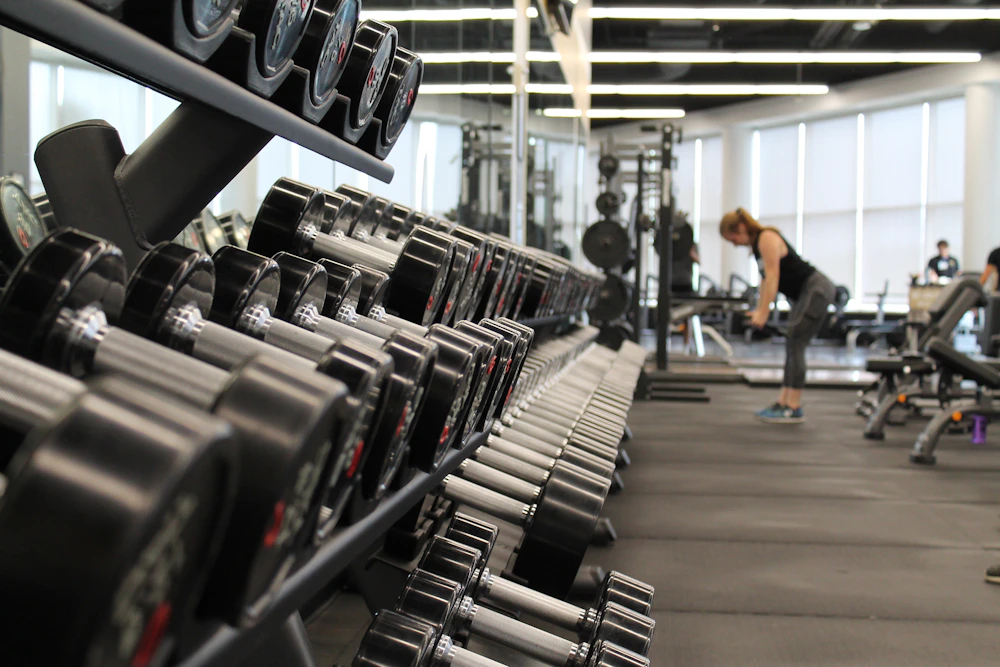
Home Gym Layout and Space Planning
A functional gym needs enough room to enter, move, exercise and safely use each piece of equipment. Plan the activity zones before ordering machines or fixing storage to the walls.
- Measure the room: Record the usable floor area, ceiling height, doors, windows and available power points.
- Define your workout: Decide whether the space is mainly for yoga, cardio, weights, mobility or a combination.
- Allow movement clearance: Follow equipment manufacturer instructions for safe operating and access distances.
- Keep circulation clear: Avoid placing benches, weights or storage where they obstruct doors and movement paths.
- Use vertical storage: Store bands, mats and accessories on suitable racks or shelves to preserve floor space.
- Plan for future use: Allow for equipment adjustment, cleaning and routine maintenance.
Home Gym Ideas for Different Homes
Choose a setup that reflects your available area and preferred training style rather than trying to recreate a commercial gym at home.
Spare Bedroom Gym
Use the existing room for a compact combination of cardio equipment, adjustable weights and a clear mat area. Plan storage so the room can still serve its other purpose if needed.
Living Room Workout Corner
Keep a mat, bands and compact equipment in a coordinated storage unit. Choose movable or foldable pieces that can be put away after exercise.
Basement or Garage Gym
For suitable independent homes, a garage or basement may accommodate larger equipment. Review ventilation, temperature, flooring, moisture and floor capacity first.
Yoga and Meditation Room
Prioritise an open floor, mat storage, comfortable airflow and lighting that can adapt to both movement and relaxation.
Family Fitness Room
Create separate activity and storage zones based on household needs. Secure equipment and keep heavier weights inaccessible to young children.
Balcony or Terrace Workout Area
A suitable covered outdoor area may work for yoga or light exercise, subject to weather exposure, slip resistance, privacy, building rules and structural load limits.
Choose Flooring for Your Workout Type
Gym flooring should suit the equipment, expected impact and existing floor beneath it. A yoga mat and a weight-training area have different requirements, so choose materials for the activity rather than appearance alone.
| Flooring option | Potential use | Considerations |
|---|---|---|
| Rubber gym tiles | Weights and general workout zones | Select thickness and density appropriate for the equipment and impact; check odour and cleaning requirements. |
| Exercise or yoga mat | Stretching, yoga and bodyweight movements | Use a stable, non-slip mat suitable for the activity. |
| Protective equipment mats | Under treadmills, bikes and selected machines | Confirm compatibility with the equipment and its stability requirements. |
| Resilient sports flooring | Dedicated fitness rooms | Choose a system designed for the intended training and installed on a suitable subfloor. |
| Existing tile or stone | Light exercise with appropriate mats | Protect against impact and slipping; avoid dropping weights directly onto hard finishes. |
| Wood-based flooring | Light workout or multi-purpose areas | Use suitable protective mats and confirm the floor is appropriate for the equipment loads. |


Mirrors, Lighting and Ventilation
A workout room should feel bright, comfortable and easy to use. Good airflow helps manage heat and moisture, while well-positioned lighting and mirrors support visibility during exercise.
- Ventilation: Consider opening windows, an appropriate exhaust fan or a suitable air-circulation system for the room.
- Climate control: If using air conditioning, plan for fresh-air needs and moisture management rather than relying on cooling alone.
- Even lighting: Use sufficiently bright, evenly distributed light and avoid glare in mirrors.
- Mirrors: Place suitable, securely installed mirrors where they help with visibility and form checks without creating hazards.
- Natural light: Use daylight where practical, with blinds or curtains to manage glare and heat.
- Electrical safety: Position sockets and equipment connections appropriately, keeping cables away from walking and workout zones.
For more ideas, explore our home interior lighting design page.
Smart Storage for Home Gym Equipment
Equipment that has a defined storage place is easier to access and less likely to clutter the workout area. Keep the floor clear and store items in a way that makes their weight and handling manageable.
Dumbbell and Weight Racks
Choose stable racks rated for the intended loads. Place heavier weights low where practical and keep them away from circulation routes.
Vertical Mat Storage
Use suitable holders or a designated cabinet for yoga mats, foam rollers and stretching accessories.
Resistance Band Hooks
Keep bands, skipping ropes and light accessories on suitable hooks or in labelled compartments.
Foldable Equipment
Consider foldable benches or compact machines when the room needs to serve another purpose. Follow the manufacturer’s storage instructions.
Closed Storage Cabinets
Use cabinets for small accessories, towels and cleaning items. Keep ventilation and equipment access unobstructed.
Dedicated Activity Zones
Separate cardio, strength and mat work where space allows. Clear visual zones can help keep equipment organised and movement routes obvious.
Plan for Noise, Vibration and Equipment Safety
In apartments, treadmill vibration and dropped weights can transmit through the floor to neighbouring homes. Consider these factors before setting up a workout room, especially when training with heavy equipment.
- Use appropriate impact protection: Choose dense rubber flooring or equipment isolation pads suited to the machine and workout.
- Avoid dropping weights: Use equipment and training practices appropriate for the room and its floor system.
- Check machine stability: Install equipment on a level, suitable surface and follow the manufacturer’s setup guidance.
- Maintain safe clearances: Keep enough room around moving parts, weights and exercise benches.
- Secure wall-mounted storage: Use fixings suitable for the wall construction and the expected load.
- Keep equipment maintained: Check fasteners, cables and moving parts as recommended by the manufacturer.
- Consider neighbours: Where possible, schedule noisy activities reasonably and comply with building rules.
Our Home Gym Design Process
A structured approach helps coordinate the room layout, equipment, flooring, lighting and storage before installation.
Discuss Your Goals
Identify the workout types, equipment, users and overall design preferences for your home gym.
Measure the Space
Review room dimensions, ceiling height, doors, windows, ventilation and access to power.
Plan the Layout
Position equipment, movement zones, mirrors and storage with appropriate clearance.
Select Finishes
Choose suitable flooring, wall finishes, mirrors, lighting and storage solutions.
Coordinate Requirements
Confirm floor capacity where necessary, noise protection, electrical work and equipment installation needs.
Complete and Organise
Arrange the approved equipment and storage, check the clearances and establish a practical cleaning routine.
Home Gym Interior Design for Apartments and Villas
InteriorAtoZ helps homeowners explore fitness-room concepts that balance practical use, storage and interior style. From a compact exercise corner to a dedicated home gym, the layout can be tailored to your space and intended equipment.
Enquiries are welcome from Delhi, Gurugram, Noida, Greater Noida, Faridabad and nearby areas, subject to project requirements and service availability.
Apartment Fitness Corners
Compact layouts, foldable equipment and organised storage for smaller homes.
Dedicated Gym Rooms
Planned flooring, equipment zones, mirrors and ventilation for a separate fitness space.
Yoga and Wellness Rooms
Open floor areas, suitable lighting and calm finishes for stretching, yoga and mobility exercises.
Related Interior Design Services
Explore other InteriorAtoZ pages to plan a cohesive home interior.
Home Gym Interior Design FAQs
Answers to common questions about planning a home gym in Delhi NCR.
1. How much space do I need for a home gym?
The required space depends on your workout and equipment. A compact corner may suit yoga, mobility work and light weights, while cardio machines or strength equipment need additional operating and access clearance. Measure the equipment and follow the manufacturer’s instructions before planning the room.
2. What is the best flooring for a home gym?
Rubber flooring is often considered for strength and general workout zones, while exercise mats suit yoga and floor work. Select the thickness and material according to equipment weight, impact, floor protection and stability requirements.
3. Can I set up a gym in a small apartment?
Yes. A compact setup using adjustable weights, resistance bands, a mat and suitable foldable equipment can work in a spare room or corner. Keep the floor clear and check building rules and noise considerations.
4. Is a home gym suitable for a spare bedroom?
A spare bedroom can work if the equipment fits safely and ventilation, floor protection and circulation are adequate. Choose movable or foldable equipment if the room also needs to function as a bedroom.
5. How can I reduce gym noise in an apartment?
Use suitable rubber flooring or equipment isolation pads, avoid dropping weights and check the equipment’s vibration characteristics. Noise reduction depends on the building and floor construction, so mats alone cannot guarantee that neighbours will not hear the workout.
6. Do I need mirrors in a home gym?
Mirrors are optional but can help with visibility and checking movement form. Install them securely in a location that avoids impact risks, glare and interference with equipment.
7. How should I ventilate my home gym?
Where practical, use windows that open or an appropriate ventilation system to support fresh-air exchange. Fans help circulate air, while air conditioning mainly manages temperature and may not provide adequate fresh air on its own.
8. What lighting works best for a home gym?
Even, sufficiently bright lighting helps you see the workout area clearly. Avoid glare in mirrors and position fixtures so they do not cause discomfort when lying down or using equipment.
9. Can I combine a home gym with a home office?
Yes, where space permits. Use a clear layout, movable equipment and dedicated storage so that exercise equipment does not obstruct the desk, chair or normal work circulation.
10. Can I create a gym on a balcony or terrace?
A suitable covered outdoor area may work for yoga and light exercise. Consider weather, slip resistance, privacy, drainage, building rules and structural load limits before placing equipment outdoors.
11. How much does home gym interior design cost in Delhi NCR?
Costs vary with room size, flooring, mirrors, storage, lighting, ventilation, equipment and installation requirements. A compact workout corner has a different budget from a dedicated gym with multiple machines. Request an estimate based on your intended scope.
12. How do I request a home gym design consultation?
Fill in the enquiry form below or contact InteriorAtoZ on WhatsApp at +91 98910 50117. Share your location, room dimensions, preferred workout types and equipment requirements.
Discuss Your Home Gym Design
Share a few details about your available space and preferred workout setup. The form prepares a WhatsApp message for you to review and send.
- Project location and room dimensions
- Preferred workout types
- Cardio or strength equipment requirements
- Flooring, mirrors, lighting and storage preferences
- Approximate budget and timeline
WhatsApp: +91 98910 50117
Email: info@interioratoz.com
This form opens WhatsApp with a prepared message. It does not send your information automatically.
Create a Home Gym That Fits Your Space
Plan a fitness room around your workout routine, equipment and interior style. Contact InteriorAtoZ to discuss home gym interior design in Delhi NCR.
Enquire on WhatsApp