Plants That Bring Good Luck Into the House
Plants have long been associated with prosperity, abundance, purification and positive energy in different traditions. Here are practical choices that can also add life and character to your interiors.
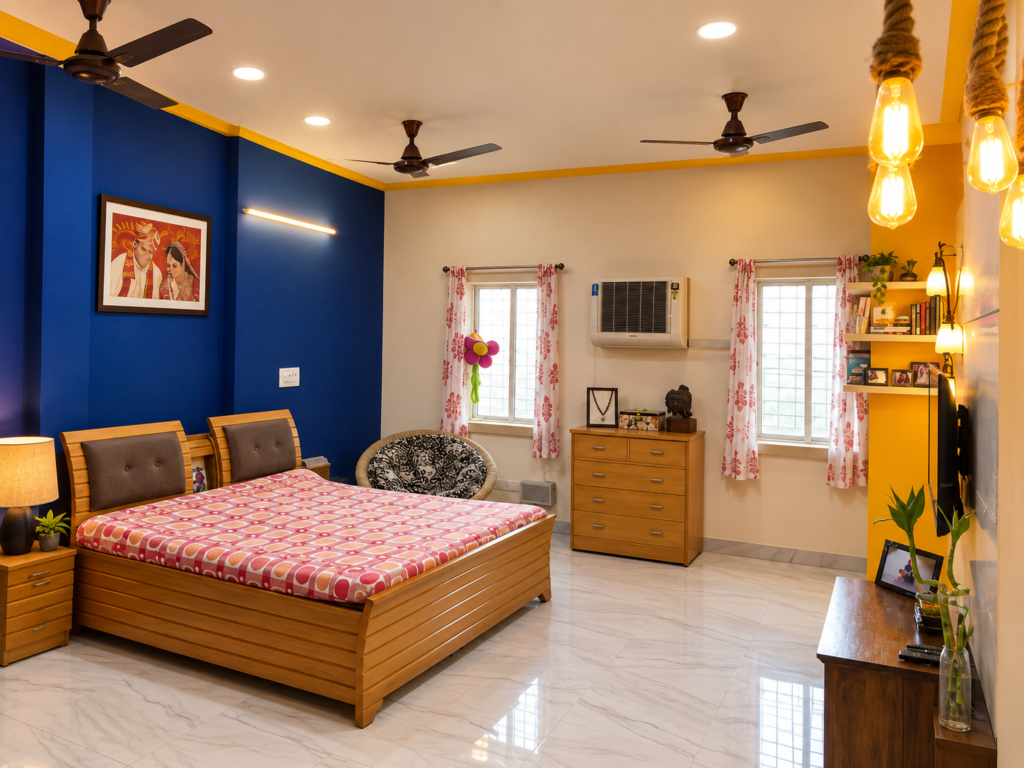
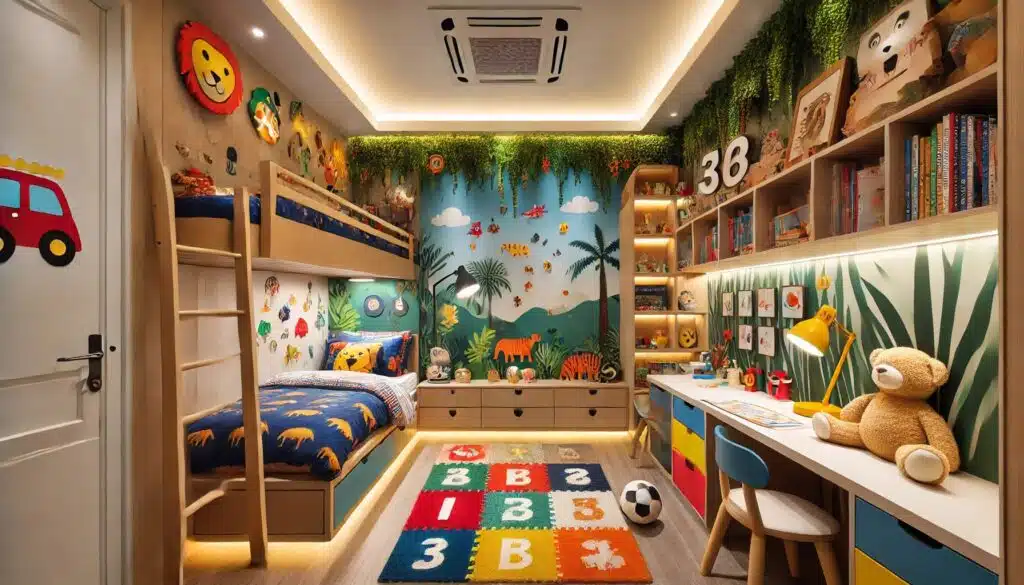
Bring nature into the room without making the room feel crowded.
In many homes, certain plants are traditionally regarded as symbols of wealth, growth, good fortune or positive energy. These associations are cultural and traditional rather than scientifically proven effects.
From an interior-design perspective, greenery can add colour, soften hard surfaces and make a living space feel more connected to nature. The best plant is one that suits the available light, room size and care routine.
12 plants traditionally linked with prosperity and positive energy.
Beliefs about auspicious plants vary by culture and tradition. Use these associations as inspiration while choosing plants that are suitable for your home’s conditions.
Rubber Plant
Often associated with wealth and abundance. Its broad leaves also make it a strong visual feature in living rooms.
Money Plant
One of the most familiar indoor plants associated with prosperity and positive energy in Indian homes.
Snake Plant
A hardy indoor plant often chosen for bedrooms and living spaces because it tolerates a range of conditions.
Bamboo
Lucky bamboo is widely associated with good fortune and growth, particularly in East Asian traditions.
Jade Plant
Its rounded leaves are traditionally linked with prosperity and abundance.
Peace Lily
Known for its white flowers and lush leaves, it can bring a calm visual quality to interiors.
Tulsi
A culturally important plant in many Indian homes, commonly associated with purity and positive household energy.
Areca Palm
A graceful choice for larger living rooms, balconies and bright corners where a soft tropical effect is wanted.
Orchid
Orchids can add a refined focal point to bedrooms, entry consoles and dining spaces.
Eucalyptus
Often used for its fresh appearance and fragrance. Use it where the plant can receive suitable light.
Lavender
A fragrant option that can work beautifully in bright rooms, balconies and restful bedroom settings.
Mint
A practical herb for a sunny kitchen or balcony, combining greenery with everyday usefulness.
Where should you place lucky plants?
Good placement is both aesthetic and practical. Consider natural light, ventilation, watering access and how the plant interacts with the furniture around it.
Create a natural focal point
Use a larger rubber plant, areca palm or money plant near a bright corner, console or seating area without blocking circulation.
Tip: Keep walkways clear.Keep the look calm
Choose compact greenery such as a snake plant or peace lily where the available light and plant-care requirements are suitable.
Tip: Avoid overcrowding.Make the first impression green
A healthy plant near an entrance can soften a hard architectural zone and create a welcoming transition into the home.
Tip: Leave door movement free.Use useful greenery
Mint and other suitable herbs can work on a bright kitchen sill or balcony, provided the conditions are appropriate.
Tip: Prioritise sunlight.Build a green corner
Use palms, herbs and suitable flowering plants to turn a balcony into a small outdoor extension of the living area.
Tip: Check wind exposure.Add a softer visual layer
A small plant can break up a desk, shelf or study area while adding colour and texture to an otherwise functional zone.
Tip: Match plant size to the desk.Use plants as part of the interior — not as an afterthought.
Planters, shelves, niches, window seats and natural materials can make greenery feel integrated with the room.
Make greenery part of a more natural interior.
Plants work particularly well when paired with natural textures, warm wood, breathable materials and simple forms.
Planters
Use ceramic, terracotta, stone or other suitable planters that complement the room’s material palette.
Natural Materials
Wood, cane, bamboo, linen and natural textures can create a cohesive connection between greenery and furniture.
Layered Greenery
Combine one larger plant with smaller pots rather than filling every surface. Leave visual breathing space.
Before bringing a lucky plant home.
The symbolism matters, but plant health and suitability matter too.
Check natural light first
Different plants need different levels of light. Observe the room before choosing the plant and its final position.
Choose the right size
A large plant can become a beautiful focal point, but it should not obstruct circulation, doors, windows or furniture.
Consider maintenance
Choose plants that match your watering and care routine. A healthy plant will always look better than an unsuitable one.
Use greenery with restraint
Plants should support the room’s composition. A few intentional placements are often more effective than filling every corner.
Keep cultural beliefs in perspective
Associations with luck, prosperity or positive energy are matters of tradition and belief rather than guarantees of an outcome.
Match the planter to the interior
The planter is part of the design. Coordinate its colour, texture and scale with nearby furniture and finishes.
Want greenery to feel naturally integrated into your home?
Interior A to Z can help you plan living spaces, bedrooms, kitchens, storage and decorative details as one cohesive interior.