How to Choose Wardrobe Materials in Greater Noida West
Choosing the right wardrobe materials in Greater Noida West is about more than selecting an attractive laminate or colour. The board inside the wardrobe, shutter construction, edge sealing and hardware determine how well it performs with everyday use.
Whether you are furnishing a new 2BHK, 3BHK or 4BHK apartment in Noida Extension, this guide explains how to compare plywood, HDHMR, MDF, particle board and popular wardrobe finishes.
A practical homeowner’s guide to durability, appearance, moisture resistance and budget.
Quick Answer: Which Material Is Best for a Wardrobe?
For many Indian homes, good-quality plywood is a practical choice for the main wardrobe carcass because of its strength and screw-holding ability. HDHMR can be considered for shutters that need a smooth surface, while MDF is useful for selected decorative or painted components in dry rooms. Particle board is generally a budget-oriented option for lighter-duty applications.
Practical recommendation: Select the board separately for the carcass, shelves, shutters and back panel. A wardrobe does not have to use one material throughout. Ask for the exact board grade, thickness, finish and brand in the written quotation.
1. Understand the Main Parts of a Wardrobe
Before comparing materials, understand which components you are buying. Different parts perform different jobs, so the best material for a shutter may not be the best material for a load-bearing shelf.
01
Carcass
The main structure, including the sides, top, bottom and partitions. It supports the wardrobe and its contents.
02
Shelves and drawers
These hold folded clothes, accessories and other belongings. Their thickness, span and support affect sagging.
03
Shutters
The doors that define the wardrobe’s appearance. They may use laminate, acrylic, veneer, paint or other finishes.
04
Back panel
The rear panel helps close and stabilise the unit. Its thickness and fixing method should be specified.
05
Edge treatment
Exposed board edges need suitable sealing or edge banding to reduce moisture entry and finish damage.
06
Hardware
Hinges, channels, handles and accessories influence daily operation and long-term usability.
2. Compare the Best Wardrobe Board Materials
The core board is one of the most important decisions in wardrobe construction. Compare its strength, moisture behaviour, screw-holding ability, finish compatibility and cost before approving a specification.
| Material | Main advantages | Limitations | Common wardrobe applications |
|---|---|---|---|
| Plywood | Good structural strength and screw-holding performance; available in different grades. | Quality and moisture performance vary by grade and manufacturer; usually needs a decorative finish. | Carcass, shelves, partitions and shutters. |
| HDHMR | Dense, uniform surface; useful for smooth painted and laminated shutters. | Not waterproof; edge sealing and manufacturer specifications matter. | Shutters, selected panels and decorative components. |
| MDF | Smooth surface, easy routing and suitability for painted or profiled designs. | Standard MDF is vulnerable to moisture; edge screw-holding needs attention. | Decorative shutters and dry-room panels. |
| Particle board | Economical and available in pre-laminated options. | Generally weaker screw-holding and lower moisture tolerance than good-quality plywood. | Budget furniture and selected low-load, dry applications. |
| Blockboard | Can be useful for certain long components and door applications. | Performance depends on core quality, grade and construction. | Selected shutters, doors and long panels where specified appropriately. |
These are general material characteristics, not guaranteed performance ratings. Check the exact product specification, grade, thickness and manufacturer’s installation instructions.
3. Is Plywood a Good Choice for Wardrobes?
Plywood is made by bonding layers of wood veneer, generally with alternating grain directions. This construction gives it useful structural strength and makes it a common choice for built-in wardrobes.
It can be suitable for carcasses, shelves, partitions and shutters when the correct grade and thickness are selected for the intended application.
Common plywood grades
- MR plywood: Moisture-resistant grade intended for suitable interior applications. It should not be treated as waterproof.
- BWR plywood: Boiling-water-resistant grade that may be considered where better moisture tolerance is needed.
- BWP plywood: Boiling-water-proof or marine-grade category used for applications requiring higher water resistance, subject to the relevant product standard.
For a dry bedroom wardrobe, a suitable MR or BWR product may be adequate. If the wardrobe shares a wall with a bathroom or is exposed to dampness, assess the moisture risk and consider a more suitable grade.
4. When Should You Choose HDHMR?
HDHMR stands for High Density High Moisture Resistant board. It is an engineered wood-fibre panel designed to offer a dense and relatively uniform surface. It is often considered for wardrobe shutters that need a smooth painted, laminated or routed finish.
Advantages of HDHMR
- Uniform surface for contemporary shutter designs.
- Useful for selected CNC-cut or routed profiles, subject to product suitability.
- Can accept suitable laminates and paint systems.
- Moisture resistance may be better than standard MDF, depending on the product.
What to check before buying
- Ask for the manufacturer’s product datasheet rather than relying only on the HDHMR label.
- Confirm the recommended thickness and maximum shutter dimensions.
- Check edge sealing and fixing instructions.
- Do not assume that moisture-resistant means waterproof.
5. MDF Wardrobes: Where Does MDF Work Best?
MDF, or Medium Density Fibreboard, is manufactured from wood fibres bonded under pressure. Its smooth surface makes it useful for painted, profiled and decorative wardrobe components.
Good surface finish
MDF provides a consistent surface for suitable paint, PU and decorative treatments.
Design flexibility
It can be machined into selected routed, grooved and decorative profiles.
Moisture caution
Standard MDF can swell when water enters the panel, particularly through exposed edges.
For wardrobes in dry bedrooms, MDF may be considered for suitable shutters or decorative panels. Avoid specifying standard MDF for areas exposed to recurring leaks, damp walls or water contact. Moisture-resistant MDF products also need to be checked against their actual technical specifications.
6. Should You Choose Particle Board for a Wardrobe?
Particle board is made by pressing wood particles with resin. It is commonly available in pre-laminated forms and can reduce the initial cost of furniture.
However, its screw-holding ability, load performance and moisture tolerance are generally more limited than those of good-quality plywood. Damaged edges can be particularly vulnerable to swelling.
Before choosing particle board: Ask where it will be used, what load it is expected to carry, how its edges will be protected and whether the hardware is compatible. Do not approve a quotation that simply says “engineered wood” without naming the actual board.
7. Choose the Right Material for Each Wardrobe Component
A carefully specified wardrobe may combine different materials to balance strength, finish quality and cost.
| Wardrobe component | Material to consider | Important check |
|---|---|---|
| Main carcass | Suitable grade of plywood | Board grade, thickness, support and fixing details. |
| Long shelves | Plywood or another engineered board specified for the load | Shelf span, thickness and centre support. |
| Shutters | Plywood, HDHMR or suitable MDF | Door size, weight, finish and hinge compatibility. |
| Painted decorative fronts | HDHMR or suitable MDF | Paint system, edge preparation and moisture exposure. |
| Back panel | Specified plywood or suitable panel | Thickness, fixing and overall stability. |
| Drawer boxes | Plywood or manufacturer-approved drawer material | Drawer load, runner capacity and joint quality. |
8. Compare Wardrobe Finishes Before Finalising the Design
The finish is the visible surface of the wardrobe. It influences the colour, texture, cleaning requirements and overall bedroom style. It does not, by itself, establish the quality of the board underneath.
Laminate
Available in matte, gloss, textured and wood-look patterns. A practical option for many everyday wardrobes.
Acrylic
Offers a smooth, reflective appearance. Check scratch visibility, cleaning instructions and the substrate.
PU paint
Provides a seamless painted appearance in suitable systems. Application quality and maintenance matter.
Veneer
Uses a real-wood surface for natural grain variation. It may need suitable polishing and periodic care.
Membrane finish
Can create a continuous finish over shaped shutters. Check the product, edge wrapping and heat exposure guidance.
Mirror or glass
Can add visual lightness and provide a dressing mirror. Use suitable safety-backed products and secure fittings.
9. Select Wardrobe Colours and Textures for Your Bedroom
Material selection should work with the flooring, wall colour, bed, lighting and natural daylight in the room. In compact apartments, a balanced finish can make a wardrobe feel less visually dominant.
- Light oak and beige: A warm, understated combination for contemporary bedrooms.
- White and soft grey: A clean appearance that works with many modern interiors.
- Walnut and cream: A richer wood-look combination for a warm bedroom palette.
- Muted green and wood: A nature-inspired look that can be paired with neutral walls.
- Matte charcoal: A dramatic option that needs suitable lighting and careful coordination.
Request a physical finish sample. Colours can look different under showroom lighting, daylight and warm bedroom lights.
10. Check Wardrobe Hardware and Fittings
Even a good board can underperform if the hinges, channels and installation are poor. Hardware should be selected according to shutter weight, drawer size and frequency of use.
- Hinges suited to shutter size and weight.
- Soft-close hinges where desired and compatible.
- Drawer channels with suitable load ratings.
- Reliable handles or properly specified handleless systems.
- Hanging rods with adequate supports.
- Pull-out accessories sized to the cabinet dimensions.
- Appropriate screws, brackets and wall-fixing systems.
Ask for the hardware brand, model or product range in the quotation. “Premium hardware” is not a complete specification.
11. Consider Greater Noida West Room Conditions
Homes in Greater Noida West and Noida Extension can have different room conditions depending on floor level, ventilation, sunlight, bathroom location and maintenance history. Do not select a wardrobe board based only on the city name.
Wardrobe beside a bathroom
Inspect the shared wall for dampness or leakage. Resolve any moisture problem before installing the wardrobe.
External-facing wall
Check for condensation, seepage and ventilation. A board upgrade cannot compensate for an unresolved wall leak.
Small bedroom
Consider sliding shutters where suitable, lighter finishes and well-planned internal storage.
Large master bedroom
Consider a combination of hanging sections, drawers, shelves and a dressing area.
Children’s bedroom
Prioritise durable surfaces, secure fittings, rounded design details where appropriate and accessible storage.
Rental apartment
Balance the expected period of use with the cost of built-in furniture and the possibility of future relocation.
12. Decide Between Sliding and Hinged Wardrobe Shutters
The shutter system affects material choice, hardware requirements and usable space in front of the wardrobe.
| Feature | Hinged wardrobe | Sliding wardrobe |
|---|---|---|
| Opening | Doors swing outward. | Doors move along tracks. |
| Floor space | Needs clearance for door movement. | Can be useful where outward clearance is limited. |
| Access | Can expose a wider section at once. | Usually exposes only part of the wardrobe at a time. |
| Hardware | Hinges and suitable mounting plates. | Tracks, rollers and compatible fittings. |
| Material planning | Consider shutter weight and hinge capacity. | Consider panel size, weight and track capacity. |
Choose the system after checking the room layout, wardrobe width, access requirements and manufacturer’s hardware limits.
13. Plan Wardrobe Storage Before Ordering Materials
A wardrobe should be designed around the belongings it needs to store. Decide the internal arrangement before finalising shutter sizes and board quantities.
- Long-hanging space for dresses, coats and other longer garments.
- Short-hanging sections for shirts, trousers and everyday clothes.
- Adjustable shelves for folded clothing.
- Drawers for accessories and smaller items.
- Dedicated space for bags, luggage and seasonal clothing.
- Optional shoe storage, jewellery trays and pull-out organisers.
- Loft storage where ceiling height and access allow.
Measurement tip: Confirm the actual internal clear dimensions after accounting for board thickness, shutters, hinges, drawer runners and other fittings. Do not rely only on the external wardrobe width.
14. Understand What Affects Wardrobe Material Cost
Wardrobe cost depends on more than the price of a board sheet. The final estimate changes with dimensions, internal layout, finish, hardware, installation and site conditions.
| Cost factor | Why it matters | What to ask |
|---|---|---|
| Board type and grade | Different boards and grades have different material costs and performance. | Which exact board and grade are included? |
| Thickness | Changes panel weight, rigidity and material quantity. | What thickness is specified for each component? |
| Finish | Laminate, acrylic, veneer and paint systems have different costs. | Which finish brand, type and surface are included? |
| Hardware | Hinges, channels and accessories influence the overall budget. | Which brand and model are proposed? |
| Internal accessories | Drawers, pull-outs and organisers add components and installation work. | Are accessories included in the quoted amount? |
| Installation | Site access, wall condition and fitting complexity can affect labour. | Are delivery, installation and finishing included? |
For a broader budgeting overview, see Interior Design Cost in Delhi NCR and factors affecting interior design cost in Greater Noida West.
15. Inspect Edge Banding, Sealing and Installation Quality
Exposed board edges are vulnerable to impact and moisture. Good construction should include suitable edge treatment, neat joints and correctly installed hardware.
- Check that visible edges are properly finished and bonded.
- Inspect corners for gaps, chips and uneven joints.
- Check that shutter edges are smooth and consistently finished.
- Confirm that cut-outs and concealed edges receive suitable protection.
- Ensure shelves are level and adequately supported.
- Check that shutters open without rubbing against adjacent panels.
- Verify that the wardrobe is properly levelled and securely installed.
Ask the installer to explain how the wardrobe will be fixed to the wall and how concealed electrical or plumbing services will be avoided before drilling.
16. Questions to Ask Your Interior Designer Before Approving the Wardrobe
- Which board is being used for the carcass?
- Is the plywood MR, BWR or BWP grade?
- What brand, product range and thickness are specified?
- Are the shutters made from plywood, HDHMR or MDF?
- What finish is being applied to the shutters?
- How will exposed edges and cut-outs be sealed?
- What material is used for shelves and the back panel?
- Which hinge and drawer-channel brands are included?
- What are the hardware load ratings?
- Are internal accessories included in the price?
- Is transportation, installation and site finishing included?
- What written warranty applies to the board, finish and hardware?
17. Common Wardrobe Material Selection Mistakes
Choosing only by appearance
A beautiful laminate does not prove that the board underneath is suitable.
Accepting vague specifications
Ask for the actual board name, grade, thickness and brand instead of generic terms.
Ignoring damp walls
Identify and fix seepage before installing cabinetry against the affected wall.
Overlooking shelf support
Long, heavily loaded shelves need appropriate thickness and support.
Using unsuitable hardware
Hinges and channels must match the dimensions and weight of the doors and drawers.
Not checking the finished sample
Review the actual finish, edge banding and colour under bedroom lighting.
Wardrobe Design Inspiration for Modern Indian Bedrooms
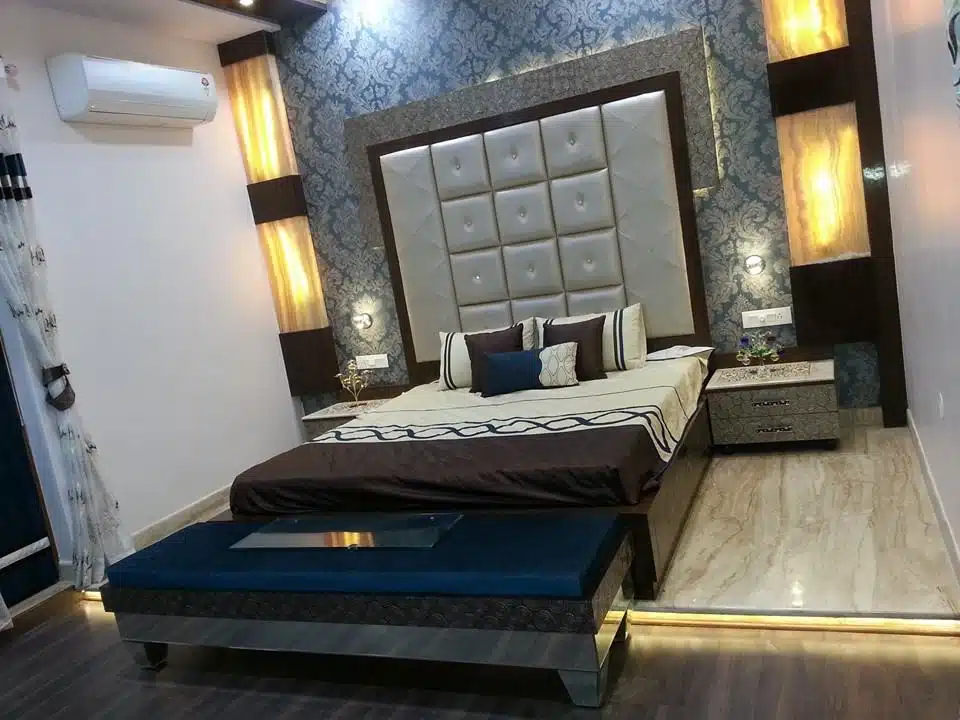
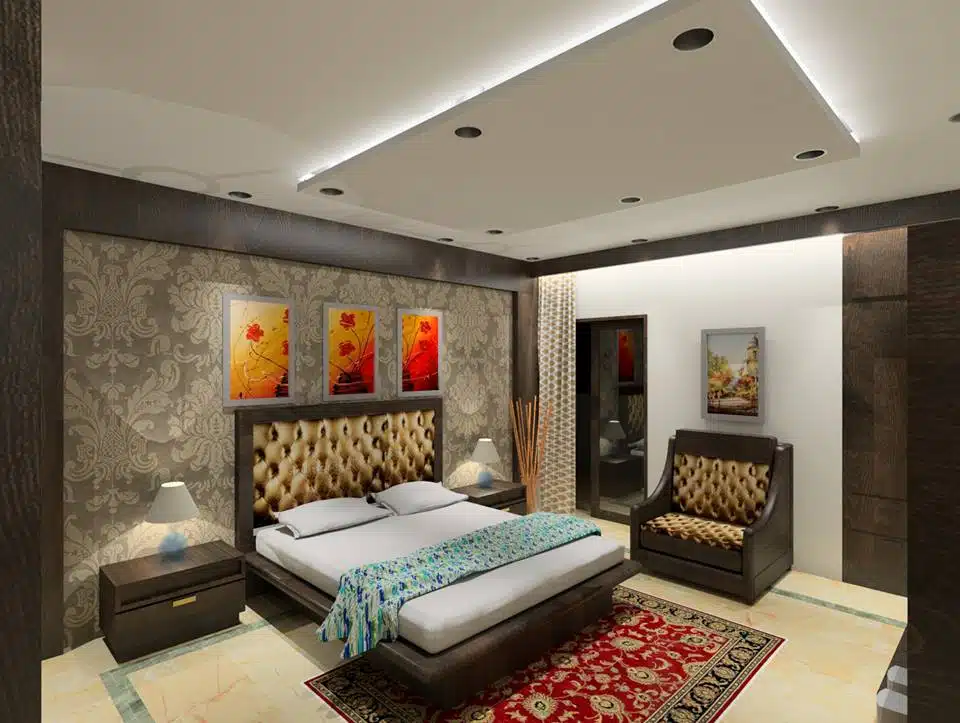
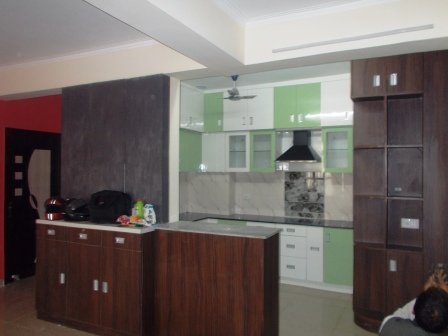
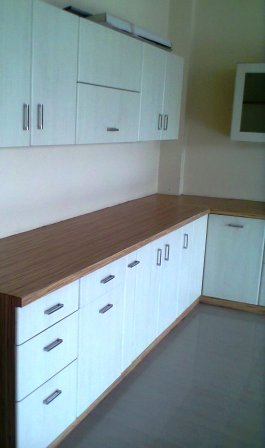
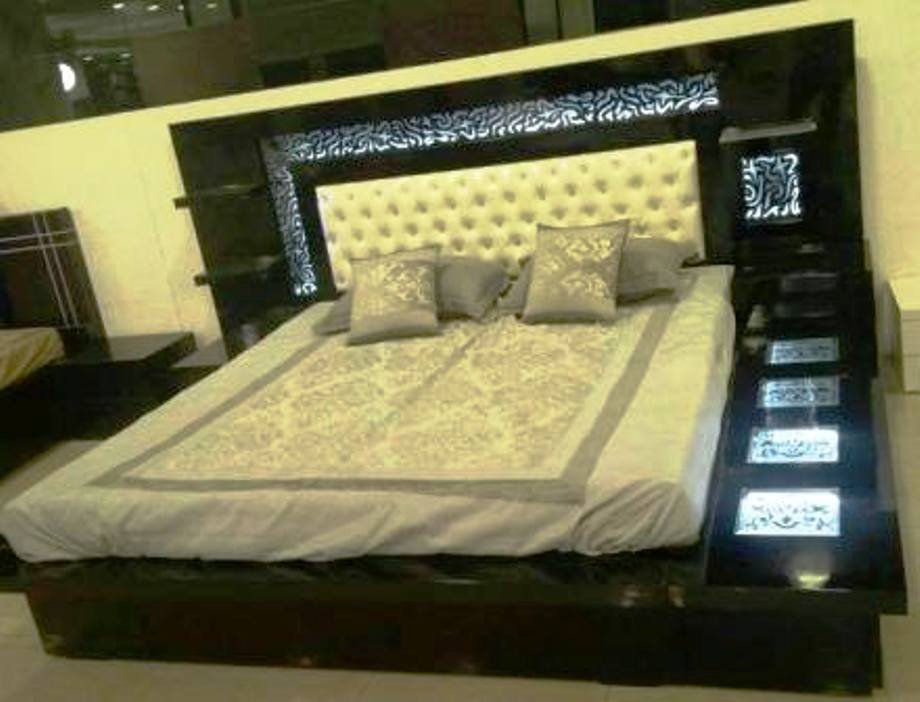
Use these bedroom images as visual references when discussing wardrobe proportions, colour palettes and overall bedroom coordination. They are inspiration images, not a claim that every pictured wardrobe uses a particular board or finish.
Wardrobe Material Selection for 2BHK, 3BHK and 4BHK Flats
The right wardrobe specification depends on the number of users, available wall space, storage needs and room conditions—not simply the apartment configuration.
| Home type | Planning priorities | Material considerations |
|---|---|---|
| 2BHK apartment | Efficient master wardrobe, practical second-bedroom storage and loft planning. | Use suitable carcass boards and durable, easy-to-maintain finishes. |
| 3BHK apartment | Different storage arrangements for master, children’s and guest bedrooms. | Specify each wardrobe according to use and room conditions. |
| 4BHK apartment | More customised storage, dressing areas and larger wardrobe configurations. | Check long shelves, larger shutters, hardware capacity and installation details. |
How InteriorAtoZ Can Help with Wardrobe Planning in Greater Noida West
Wardrobe planning works best when measurements, internal storage requirements, board specifications, finishes and hardware are considered together. A coordinated design can help make better use of bedroom space while maintaining a consistent interior style.
Explore interior design services, browse interior design inspiration and projects, or learn more about interior designers in Noida.
Frequently Asked Questions About Wardrobe Materials in Greater Noida West
Which material is best for a wardrobe in Greater Noida West?
Suitable-quality plywood is a practical option for many wardrobe carcasses because of its strength and screw-holding ability. HDHMR and MDF may be suitable for selected shutters and decorative components. The final choice depends on room moisture, board grade, load and finish requirements. Is plywood better than MDF for wardrobes?
Plywood is generally preferred for structural components and shelves that carry loads. MDF provides a smoother surface for painted and routed designs but standard MDF is more vulnerable to moisture. They serve different purposes and can be combined in one wardrobe. Is HDHMR good for wardrobe shutters?
HDHMR can be suitable for wardrobe shutters that need a uniform surface for paint or laminate. Confirm the manufacturer’s technical specifications, thickness, edge treatment and hardware recommendations before selecting it. Can MDF be used for a bedroom wardrobe?
Suitable MDF products can be used for selected wardrobe shutters and decorative panels in dry bedrooms. Standard MDF should be protected from water and dampness, especially at exposed edges. Is particle board suitable for a modular wardrobe?
Particle board can be considered for budget-oriented, low-load furniture in dry conditions. Its moisture tolerance and screw-holding performance are generally more limited than good-quality plywood, so review the intended use and product specification carefully. Which plywood grade should I choose for a wardrobe?
MR plywood may be suitable for a dry bedroom, while BWR may be considered where greater moisture tolerance is needed. BWP is a higher water-resistance category, but it may not be necessary for every dry bedroom wardrobe. Verify the grade and applicable product standard. Which finish is easiest to maintain for a wardrobe?
Good-quality laminate is a practical option for many everyday wardrobes because it is available in many finishes and is generally easy to clean with suitable care. Follow the manufacturer’s cleaning instructions and avoid abrasive products. Is acrylic better than laminate for wardrobe shutters?
Neither is universally better. Acrylic provides a smooth, reflective appearance, while laminate offers a wide choice of textures and matte or gloss options. Compare scratch visibility, maintenance, cost and the substrate beneath the finish. What thickness should wardrobe boards have?
Thickness depends on the component, panel dimensions, load, support and manufacturer’s recommendations. Ask for separate specifications for the carcass, shutters, shelves and back panel rather than accepting one thickness for every part. How can I check the quality of a wardrobe quotation?
Check the board brand and grade, thickness, shutter material, finish, edge banding, hardware models, internal accessories, installation scope and warranty terms. Ask for these details in writing before approving the quotation. Should I install a wardrobe against a bathroom wall?
It may be possible, but inspect the wall for leakage, dampness and condensation first. Resolve any water problem and discuss suitable material, ventilation and installation details with the designer. Does a premium wardrobe finish mean the wardrobe is durable?
No. A premium-looking finish does not establish the quality of the carcass, shelves, edge treatment or hardware. Ask for a complete component-wise material specification.
Planning a Wardrobe for Your Greater Noida West Home?
Discuss your bedroom dimensions, storage requirements, preferred finishes and material options before finalising the wardrobe design and quotation.
Discuss Your Interior ProjectCall +91 98910 50117WhatsApp Enquiry
Final Checklist: Choose Wardrobe Materials with Confidence
Choosing wardrobe materials in Greater Noida West becomes easier when you separate the structural board from the decorative finish. Compare plywood, HDHMR, MDF and particle board according to the component, room conditions and expected load. Then verify the hardware, edge treatment and installation details.
Before signing, obtain a written material schedule and review physical finish samples. A clear specification helps you compare quotations fairly and reduces the risk of unexpected substitutions during execution.
For more practical ideas, explore our guides to space-saving furniture for Indian apartments, small bedroom interior design ideas and interior design quotation checks for Greater Noida West.