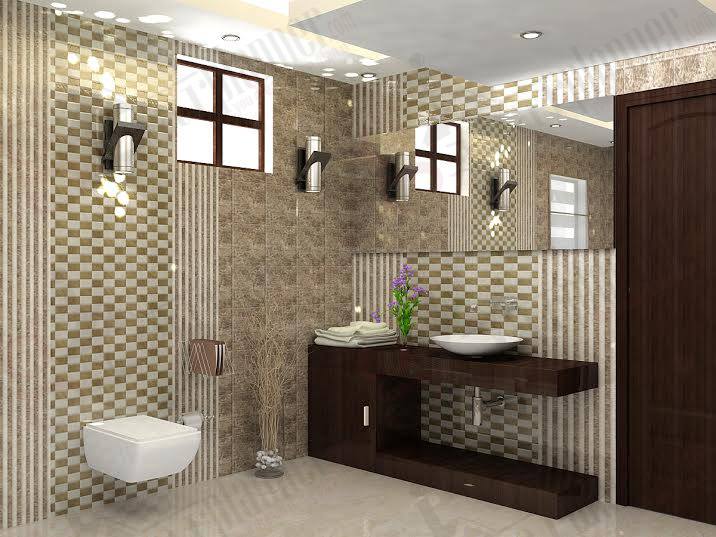
Learn How to Choose Your Bathroom Tiles Gurgaon, Noida & Delhi NCR
Choosing bathroom tiles for Gurgaon, Noida and Delhi NCR homes requires balancing style, durability, safety and maintenance. Bathroom tiles affect appearance, moisture resistance and long-term functionality. Modern homes increasingly prefer larger wall tiles and anti-skid floor finishes for practical performance.
Quick Navigation
Why Choosing Bathroom Tiles Matters
Bathroom flooring experiences constant exposure to water, soap residue and moisture. Choosing incorrect materials may lead to slippery surfaces and maintenance issues. Experts recommend prioritizing slip resistance, water resistance and durability over appearance alone. :contentReference[oaicite:0]{index=0}
Safety First
Use anti-skid or matte tiles for wet floor areas to reduce slipping risks.
Easy Maintenance
Large format tiles create fewer grout lines and simplify cleaning.
Visual Space
Light colors and reflective wall finishes make bathrooms feel larger.
Long-Term Durability
Porcelain and vitrified materials resist stains and moisture.
Popular Bathroom Tile Types in Gurgaon & Delhi NCR
Porcelain Tiles
Dense and less porous, making them highly water resistant for bathroom floors. :contentReference[oaicite:1]{index=1}
Ceramic Tiles
Affordable, easy to maintain and available in multiple finishes.
Marble Effect Tiles
Luxury appearance with easier maintenance than natural stone. :contentReference[oaicite:2]{index=2}
Mosaic Tiles
Ideal for shower niches and feature walls with decorative appeal. :contentReference[oaicite:3]{index=3}
Recommended Bathroom Tile Sizes
| Area | Suggested Tile Size | Benefits |
|---|---|---|
| Bathroom Floor | 600×600 mm | Grip and easier installation |
| Bathroom Wall | 600×1200 mm | Modern appearance with fewer joints |
| Large Bathrooms | 800×1600 mm | Luxury seamless finish |
| Feature Areas | Mosaic Panels | Visual accents |
Large wall formats and matte flooring are widely preferred because glossy floors can become slippery in wet conditions. :contentReference[oaicite:5]{index=5}
Bathroom Tile Selection Tips
- Choose anti-skid flooring for safety
- Use light colors in small bathrooms
- Select large wall tiles to reduce grout lines
- Combine glossy walls with matte floors
- Use textured accents carefully
- Match tile design with overall home interiors
- Think about maintenance before trends
Frequently Asked Questions
Need Bathroom Interior Design in Gurgaon or Delhi NCR?
Explore modern bathroom designs, premium tile ideas and complete interior solutions for homes across Gurgaon, Noida and Delhi NCR.
How to Choose Your Bathroom Tiles: A Complete Guide
Choosing the right bathroom tiles is essential to creating a stylish, functional, and durable space. Tiles are one of the most significant elements in bathroom design, and they not only define the aesthetic but also play a role in the room’s functionality. Whether you’re redesigning a small powder room or a spacious bathroom, selecting the perfect tiles can elevate your design and ensure the space remains practical for years to come.
This guide will take you through everything you need to know to make informed decisions when choosing your bathroom tiles.
1. Consider the Tile Material
The material of the tile is one of the most important factors when choosing bathroom tiles. Different materials have varying levels of durability, water resistance, and style. Here’s a breakdown of common bathroom tile materials:
- Ceramic Tiles: Ceramic is one of the most popular and affordable options for bathroom tiles. It’s water-resistant, easy to maintain, and comes in a variety of designs, sizes, and finishes.
- Porcelain Tiles: Porcelain tiles are a type of ceramic but are made with a denser material. They are extremely durable and resistant to moisture, making them ideal for bathroom floors and walls.
- Glass Tiles: Glass tiles are known for their shiny, sleek appearance and ability to reflect light. They’re ideal for adding a touch of luxury but are typically used as accents or backsplashes due to their fragility.
- Natural Stone Tiles: Materials like marble, granite, and slate can add a high-end, timeless appeal to your bathroom. However, these require sealing and maintenance to prevent staining or water damage.
- Mosaic Tiles: Mosaic tiles come in small pieces and are often used to create intricate patterns. These tiles can be made from ceramic, glass, or stone and are great for accent walls, backsplashes, or shower floors.
2. Choose the Right Tile Size
The size of your tiles can significantly impact the look and feel of your bathroom. Larger tiles can make a small bathroom feel more spacious by reducing the number of grout lines. Smaller tiles are often used for intricate designs or to create a more traditional look.
- Small Tiles: Best for intricate designs, backsplashes, and showers. Small mosaic tiles create a luxurious, detailed look, but more grout lines require more maintenance.
- Large Tiles: These are ideal for creating a sleek, modern design with minimal grout lines. Large tiles work well for both floors and walls, as they give the illusion of space in smaller bathrooms.
- Rectangular Tiles: Subway tiles are a popular rectangular option. They can be laid in a brick pattern, herringbone, or stacked pattern for added design flexibility.
3. Think About Tile Texture and Finish
Tiles come in various textures and finishes, and each can make a different impact on your bathroom’s design. Here are some finishes to consider:
- Glossy Finish: Glossy tiles are shiny and reflective, making them ideal for brightening up a space with natural light. They’re also easy to clean but may show water spots and soap scum more readily.
- Matte Finish: Matte tiles offer a soft, subtle look and are excellent for creating a more modern or rustic vibe. They provide more grip and are less slippery, making them a great option for bathroom floors, especially in wet areas.
- Textured Tiles: Textured tiles, like those with a wood, stone, or fabric effect, add depth and interest to the bathroom. They also provide a more slip-resistant surface for bathroom floors.
- Polished Finish: Polished tiles, often made of natural stone, have a glossy surface that gives an elegant, refined look. They’re ideal for walls but should be used with caution on floors as they can be slippery.
4. Consider the Tile Color
The color of your bathroom tiles is essential to setting the overall tone of the space. The right color can make your bathroom feel larger, cozier, brighter, or more sophisticated. Here are some color options and their effects:
- White: Classic and timeless, white tiles are perfect for creating a clean and fresh look. White tiles can make a bathroom feel more expansive and bright. They’re particularly well-suited for smaller spaces.
- Neutral Tones: Light gray, beige, or taupe tiles create a calm, neutral palette and allow for flexibility in other design elements. These tones work well with various colors for accents or decorative elements.
- Bold Colors: Rich colors like deep blues, greens, and purples can add personality and drama to the space. These are ideal for creating focal points on accent walls or feature areas.
- Black: Black tiles can make a bold statement and add sophistication to a bathroom. However, they can make a space feel smaller, so they’re best used in larger bathrooms or as accents.
- Pastels: Soft pastel shades like mint, blush, or powder blue are perfect for creating a calming atmosphere. These are often used in vintage-inspired or coastal bathrooms.
5. Create Patterns and Visual Interest
Tiles can be arranged in various patterns to create an eye-catching look. The right pattern can enhance the visual appeal of your bathroom and give it character. Here are some popular tile patterns:
- Herringbone: This zigzag pattern is often used with rectangular tiles to create a visually dynamic look. It’s a stylish option for bathroom floors or accent walls.
- Chevron: Similar to herringbone, but with a continuous V-shape. Chevron patterns are a bold, modern choice for bathrooms.
- Subway Tiles: Subway tiles are classic rectangular tiles arranged in a brick pattern. They work well in traditional, modern, or even industrial-style bathrooms.
- Grid or Straight Lay: A simple and clean pattern where tiles are laid straight, in rows and columns. This is an excellent choice for larger tiles that create a seamless, contemporary look.
- Diagonal: Diagonal tile arrangements can make a small bathroom appear larger and are a unique way to add flair to your design.
6. Consider Tile Durability and Maintenance
Bathrooms are high-moisture areas, so it’s crucial to choose tiles that can withstand the humidity and wear-and-tear of daily use. Here are some factors to consider regarding tile durability:
- Water Resistance: Porcelain and ceramic tiles are highly resistant to water, making them ideal for showers, bathtubs, and bathroom floors. Natural stone tiles like marble or granite need to be sealed properly to prevent water absorption.
- Scratch Resistance: Stone tiles like granite are resistant to scratches and can handle high-traffic areas well. Glass tiles can be more prone to scratching, so they’re better for walls than floors.
- Maintenance Requirements: Consider how much upkeep you’re willing to do. Glossy tiles are easier to clean but may show water spots, while matte tiles tend to hide dirt better but might require a deeper clean.
7. Stay Within Your Budget
Bathroom tiles come in a wide range of price points, from budget-friendly ceramic options to high-end natural stone. Set a clear budget before you start shopping, and make sure to account for the costs of grout, adhesives, and labor if you’re hiring a professional installer.
If you’re working with a limited budget, consider using premium tiles as accents or in smaller areas like the backsplash or shower wall while using more affordable tiles for the rest of the bathroom.
Conclusion
Choosing the right bathroom tiles is essential to achieving a space that is not only beautiful but also practical and long-lasting. By considering the material, size, texture, color, pattern, durability, and budget, you can create a bathroom that fits your needs and reflects your personal style.
Bathroom floor tiles should be a huge consideration when any new bathroom installation is completed, and it’s surprising how many facets they have to consider. Everyone will have a different idea of the best tiles for bathroom floor areas , but the age of the home, the wider design and the intended frequency of use will play up every part, not to mention the costs.
Any bathroom designer will be outspoken in their advice on the ideal shower flooring material, but they will all agree on the following:
– Tiles should be non-porous – Finishes need to be non-slip – Grout lines should be easy to clean and free of mold
This guide was created to help answer all the burning questions that choosing the right shower floor tile will raise, but of course, personal choices and aesthetic preferences will be the final consideration.
Bathroom space
First: When it comes to bathroom floors, size doesn’t matter, especially when it comes to showering. It’s not a big concern in the wider room, the bath mat can simply be placed on the floor to reduce slippage and wet feet, but inside the bathroom, things need to be thought of more carefully.
It is generally recommended that bathroom floor tiles be no larger than 6 inches square, in an effort to allow for more grout, which in turn provides a great deal of grip and stability. It makes perfect sense, when the amount of water that will flow into the shower, is taken into account. Large tiles will naturally become more slippery and greatly increase the risk of accidents. If larger tiles are required, they can be kept on the walls.
Mosaic
Knowing that small bathtubs for showers are better in mind, this means that the mosaic types, which are already incredibly popular and attractive, are the ideal solution. The sheer number of grout lines that will be necessary ensures a finish that is less slippery and with absolutely no aesthetic discrepancy.
Mosaic tiles tend to be presented on a large sheet, made up of individual squares as small as 1 inch. Backed by a private network, these are the easiest to set up and can be exceptionally cost effective as well. All high-quality DIY stores have a wide variety of mosaic designs to choose from and with the advent of colorful bathroom fixtures, it has never been easier to get the perfect finish to complement an already stunning bathroom.
Porcelain
After only mentioning porcelain, it is worth talking more about it, as it can create a totally exceptional finish to any shower floor, not least because it can be used to make the impression of more money spent.
Not everyone has the budget available for real marble tiles, but porcelain, which is much more cost-effective, can be made to look very similar. An added bonus is that the tile’s smooth finish makes it easier to clean and more mold and mildew resistant.
Tips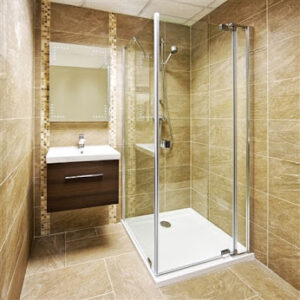
Cost will always be an important factor during any home improvement project and when it comes to bathroom tiles, it is easy to spend an absolute fortune. Thankfully, there is such a large selection of tiles to choose from, for shower flooring, that there are options to suit every budget. Some of the more popular options include:
Pebble effect tiles. Similar to standard square mosaics, these grids are backed for convenience and allow the use of a large amount of grout, but there is a definite bonus with cobblestone designs that may be immediately apparent. Reflexology is a proven science and nothing will help you relax and restore balance like a little foot massage in the shower.
– All color under the sun. Let’s never forget how endless tile color options are these days. No matter the size or shape, there will be a perfect color to go with them.
Natural stone tiles. Treated natural stone tiles that don’t absorb and store water are a great choice for any shower floor, as they can offer a great deal of grip when left unbroken.
– The porcelain tiles. Generally slightly better than slippery, porcelain is best for keeping very small tile designs.
Finally, it’s worth remembering that a little creativity goes a long way, even in the bathroom. Just because a bathroom floor is a practical and necessary inclusion, that doesn’t mean it needs to be boring or dull. For a truly coordinated look, it’s worth continuing the same flooring pattern as a wider bathroom, but change can be as good as comfort, they say, so how about a funky pattern or a contrasting color?
As long as bathroom tile and bathroom adhesive is used, along with non-slip tiles, the rest really comes down to personal taste.
Learn How to Choose Your Bathroom Tiles
Bathroom tiles set the tone for both style and functionality. The right selection balances durability, maintenance, and design aesthetics. Here’s a clear guide on how to choose bathroom tiles effectively.
1. Define the Purpose of Each Zone
Floor tiles: Must be slip-resistant and durable.
Wall tiles: Can focus on design, texture, and finish.
Shower area: Needs water-resistant and easy-to-clean tiles.
Feature wall: Use accent tiles for visual impact.
2. Consider Tile Material
Ceramic Tiles: Affordable, easy to clean, wide variety.
Porcelain Tiles: Denser, more durable, ideal for high-moisture zones.
Natural Stone (marble, granite, slate): Luxurious but needs sealing and maintenance.
Glass Tiles: Great for accents and backsplashes; reflective and modern.
Mosaic Tiles: Add texture and color; best for niches and small areas.
3. Choose the Right Finish
Matte finish: Non-slip, subtle, ideal for floors.
Glossy finish: Reflects light, enlarges space, better for walls.
Textured finish: Adds depth and grip, but harder to clean.
4. Size & Scale
Large-format tiles: Create a seamless, modern look with fewer grout lines.
Medium tiles (300x600mm): Versatile and balanced.
Small or mosaic tiles: Perfect for accents, borders, or curved surfaces.
5. Color Strategy
Light colors: Make small bathrooms look bigger (white, beige, soft grey).
Dark colors: Add drama, best in larger bathrooms or as accent walls.
Two-tone schemes: Light walls + darker floor for balance.
6. Patterns & Layouts
Horizontal tiles: Widen the room visually.
Vertical tiles: Make ceilings appear taller.
Herringbone or chevron: Adds dynamic visual interest.
Accent wall or strip: Breaks monotony and adds character.
7. Practical Considerations
Check slip resistance rating (R-rating) for floor tiles.
Opt for easy-clean, stain-resistant tiles in busy households.
Ensure grout color complements tile design; darker grout is easier to maintain.
8. Budgeting Wisely
Mix high-end feature tiles with budget-friendly base tiles.
Focus spending on feature walls, shower zones, or vanity areas for maximum impact.
9. Longevity & Maintenance
Choose durable, water-resistant tiles for wet areas.
Seal natural stone tiles periodically.
Use mold-resistant grout in damp zones.
10. Test Before Finalizing
Place tile samples in your bathroom to check under natural and artificial light.
Ensure texture and slip resistance feel safe underfoot.
Conclusion
Choosing bathroom tiles requires a balance of safety, durability, and design appeal. Large neutral tiles expand space, accent tiles add character, and slip-resistant finishes ensure safety. With careful planning, you can create a bathroom that’s stylish and practical.
Call to Action: Planning a bathroom upgrade in Gurgaon, Noida, or Delhi NCR? Work with an interior designer to select tiles that fit your style, budget, and lifestyle.