How to Plan Lighting for a Home in Gurugram
Good lighting makes a home comfortable, functional and visually appealing. Whether you are designing a new apartment, renovating a builder floor or upgrading a villa in Gurugram, a thoughtful lighting plan can improve the appearance and usability of every room.
The best results come from combining general illumination, focused task lighting and decorative accent lighting. The right fixtures, colour temperature, switch locations and dimming controls should be considered before electrical wiring and false ceiling installation begin.
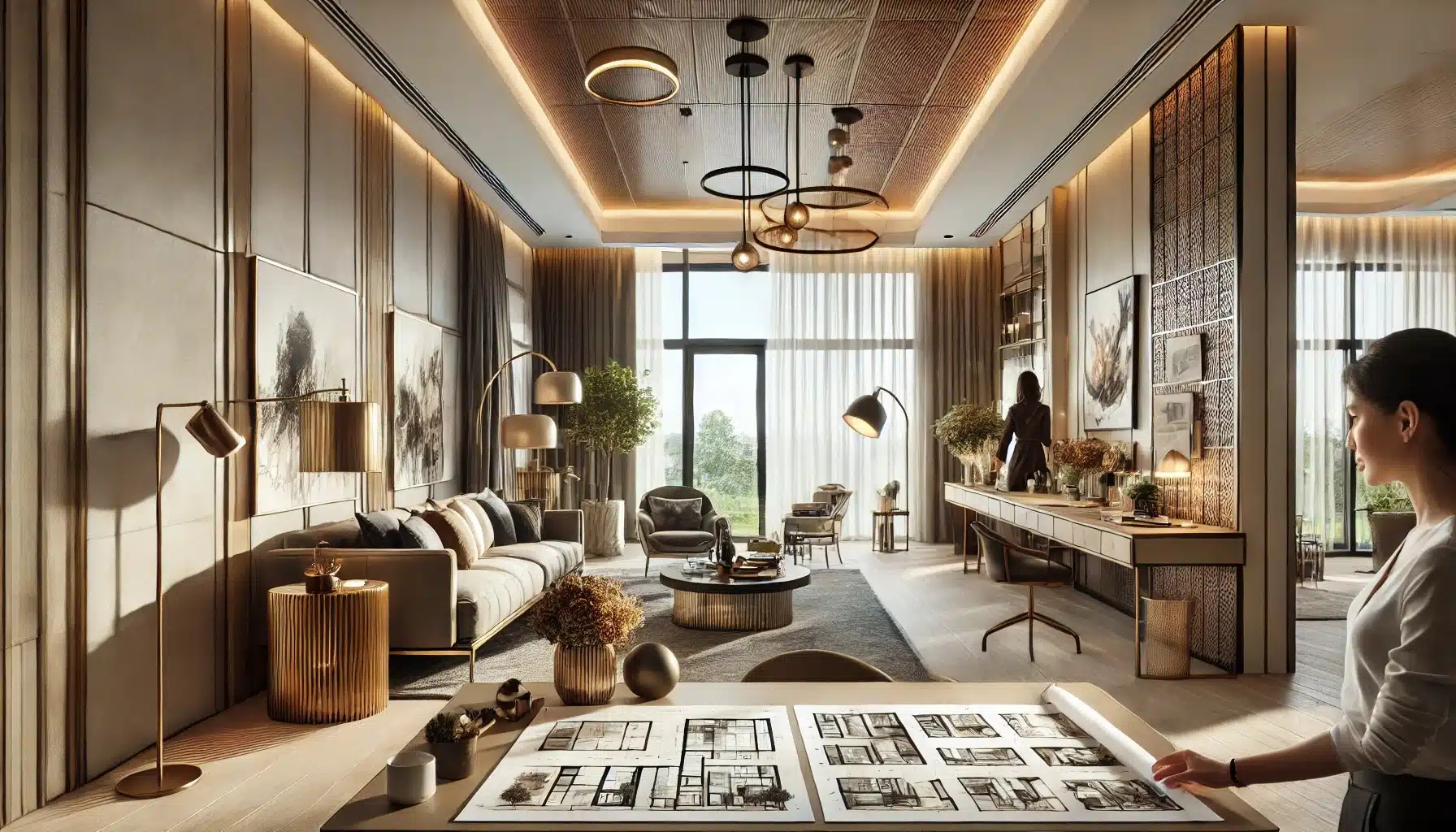
How Do You Plan Lighting for a Home?
To plan lighting for a home in Gurugram, identify the activities in each room, understand natural daylight, select ambient, task and accent lighting, and choose suitable fixtures and colour temperatures. Finalise the layout, switches and dimming controls before electrical work and false ceiling installation.
- Identify the purpose of each room.
- Observe natural light and window positions.
- Plan ambient, task and accent lighting.
- Select suitable LED colour temperatures.
- Choose fixtures based on ceiling height and room size.
- Plan switches, circuits and dimmers.
- Coordinate lighting with furniture and false ceiling design.
- Use efficient LED fixtures and avoid unnecessary over-lighting.
Understand the Three Main Layers of Home Lighting
A successful lighting plan does not depend on one ceiling light in every room. It combines different types of lighting to support daily activities and create a comfortable atmosphere.
Ambient Lighting
Ambient lighting provides general illumination throughout a room. It helps people move around comfortably and gives the space an overall level of brightness.
- Recessed ceiling lights.
- Surface-mounted ceiling fixtures.
- Cove and indirect ceiling lighting.
- Suitable central decorative fixtures.
Task Lighting
Task lighting provides focused illumination for specific activities. It is especially useful in kitchens, study areas, bathrooms and reading corners.
- Under-cabinet kitchen LED strips.
- Bedside reading lamps.
- Study desk lights.
- Bathroom mirror and vanity lights.
Accent Lighting
Accent lighting highlights selected design features and adds visual depth. It can draw attention to artwork, wall textures, shelves and decorative niches.
- Wall-washer fixtures.
- Adjustable spotlights.
- Display shelf lighting.
- Lighting for artwork and niches.
Decorative Lighting
Decorative fixtures also act as design elements. They can become a focal point while providing useful illumination when selected and positioned correctly.
- Chandeliers.
- Dining pendants.
- Decorative wall sconces.
- Table and floor lamps.
How to Plan Lighting for Every Room in Your Gurugram Home
Every room has a different purpose. A living room may need flexible lighting for entertaining and relaxation, while a kitchen needs focused illumination for food preparation. Plan each space according to how your family uses it.
Living Room Lighting
Combine comfortable ceiling lighting with accent lights for artwork or a feature wall. Add a floor or table lamp near a reading chair. Use separate controls to create brighter and softer lighting scenes.
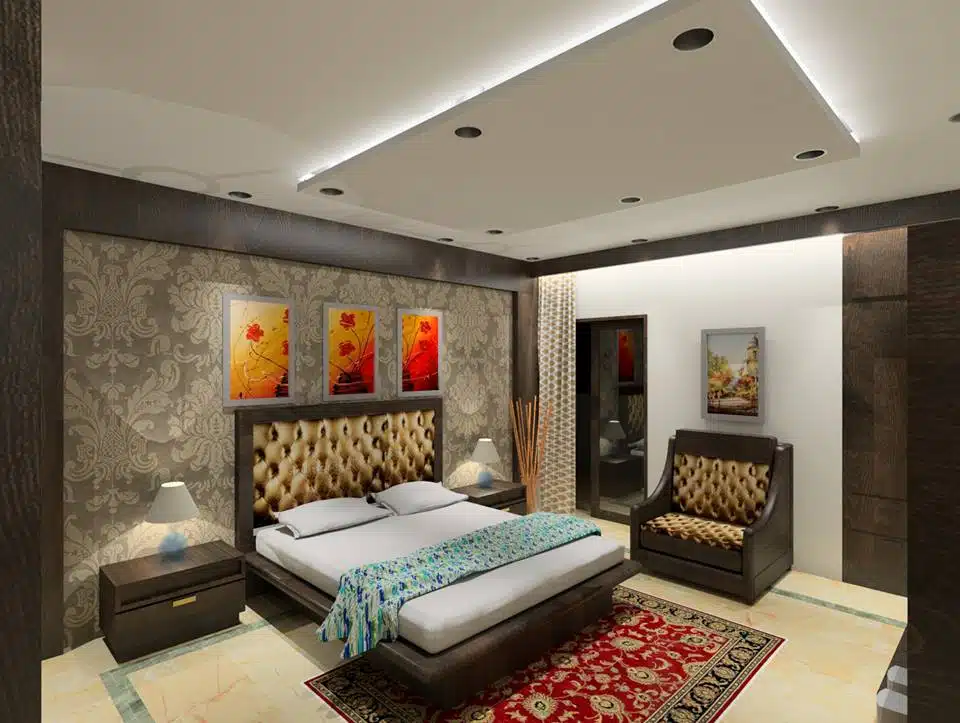
Bedroom Lighting
Choose soft ambient lighting, bedside reading lights and optional wardrobe illumination. Avoid harsh glare directly above the bed and consider dimmable controls for a relaxing evening atmosphere.
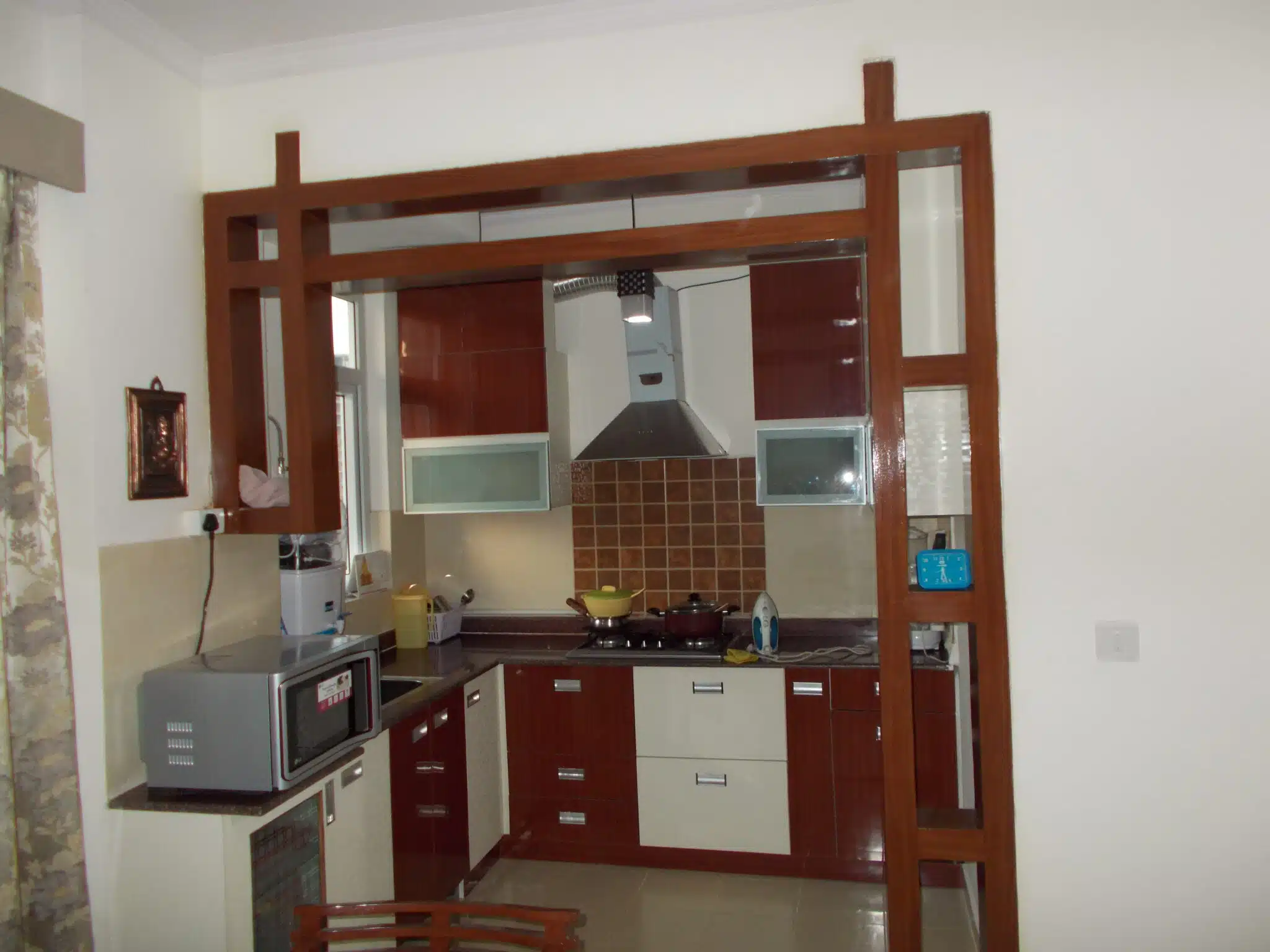
Kitchen Lighting
Use general ceiling illumination and focused task lights over the countertop, sink and cooking areas. Under-cabinet LED strips can help reduce shadows while preparing food.
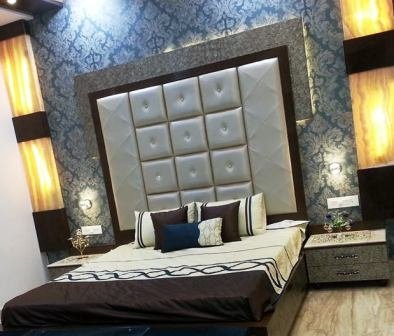
Dining Room Lighting
A pendant or chandelier above the dining table can create a visual centrepiece. Position it to provide comfortable illumination without obstructing views across the table.
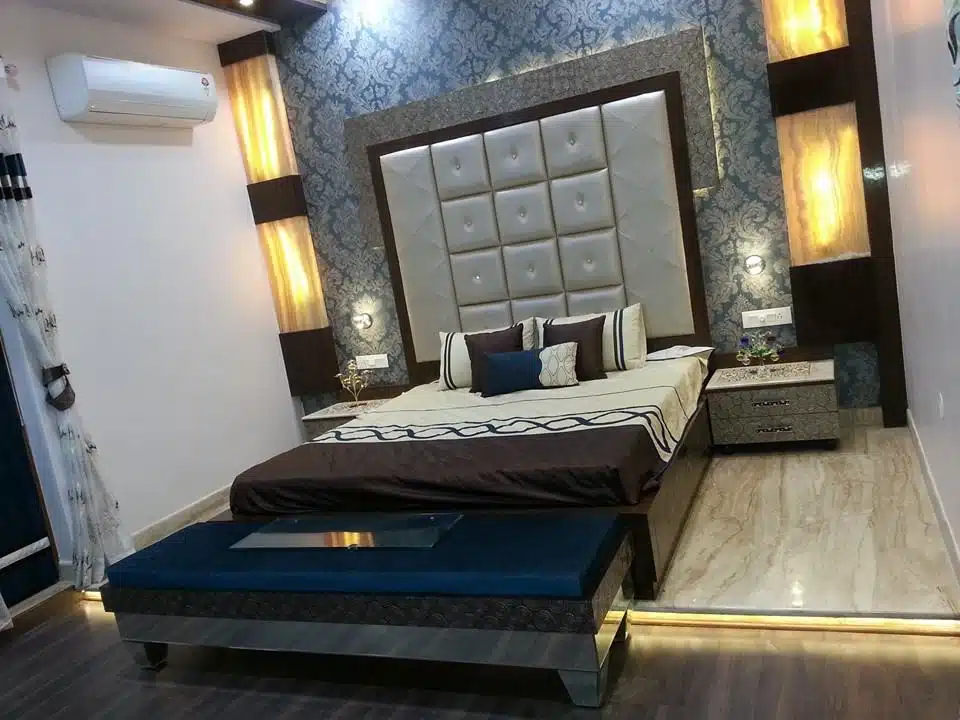
Wardrobe and Dressing Lighting
Add suitable internal wardrobe lighting and provide even illumination around the dressing mirror. Good colour rendering helps make clothing colours easier to distinguish.
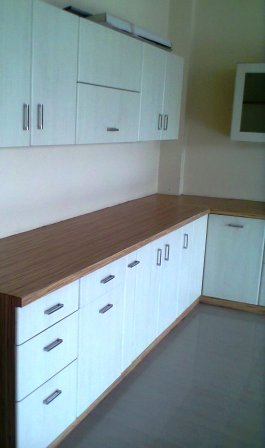
Study Room Lighting
Provide comfortable general illumination and a focused desk lamp. Position task lighting to reduce shadows and reflections on computer screens.
How to Select LED Colour Temperature for Home Lighting
LED colour temperature is measured in Kelvin (K). It affects whether light appears warm, neutral or cool. Choose it according to the purpose of the room, the interior finishes and the atmosphere you want to create.
| Colour Temperature | Appearance | Common Applications |
|---|---|---|
| 2700K–3000K | Warm white | Living rooms, bedrooms, dining spaces and relaxed areas. |
| 3500K–4000K | Neutral white | Kitchens, study areas, utility spaces and some bathroom tasks. |
| 5000K and above | Cooler daylight appearance | Specific utility or work applications where a cooler appearance is preferred. |
Lighting Selection Tip
Avoid mixing noticeably different colour temperatures within one small visual area unless the contrast is intentional. Check sample lights alongside your flooring, wall paint, furniture and finishes before ordering all fixtures.
Plan False Ceiling Lighting Before Installation
False ceiling lighting can improve the overall appearance of a home when it is coordinated with the room layout. However, fixture positions should be decided before the ceiling is closed. Last-minute changes can create unnecessary cutting, wiring alterations and installation costs.
- Mark downlight and spotlight positions on the ceiling plan.
- Coordinate cove lighting with ceiling profiles.
- Provide access to LED drivers and power supplies.
- Check ceiling depth and fixture installation requirements.
- Avoid placing lights where they create uncomfortable glare.
- Coordinate lights with fans, AC vents and access panels.
- Keep lighting circuits separate where independent control is needed.
Explore suitable false ceiling design ideas when planning your home’s lighting layout.
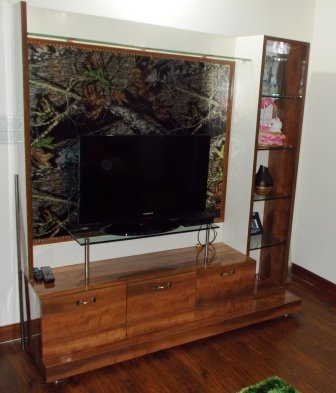
12 Expert Tips for Planning Home Lighting in Gurugram
Use these practical considerations while preparing a lighting plan for a 2BHK, 3BHK, builder floor, independent house or villa.
Start During the Design Stage
Plan lights before electrical wiring, ceiling installation and major carpentry work. This allows fixture positions and wiring routes to be coordinated properly.
Make Use of Natural Daylight
Study window positions, curtains and daylight patterns. Avoid unnecessary artificial lighting during the day where natural light is sufficient.
Match Lighting with Room Size
Fixture quantity and output should be based on room dimensions, ceiling height, surface finishes and activities. Do not select lights by wattage alone.
Prevent Glare
Choose suitable beam angles, diffusers and fixture positions. Avoid direct glare towards seating, beds, mirrors and computer screens.
Use Separate Lighting Controls
Where practical, keep ambient, task and accent lighting on separate switches so the room can be adjusted for different activities.
Consider Dimmable Fixtures
Dimmers can help adjust brightness in living rooms, bedrooms and dining spaces. Confirm compatibility between LED drivers, fixtures and dimmer controls.
Check Colour Rendering
Consider colour rendering when selecting lights for kitchens, wardrobes, dressing mirrors and artwork. Compare samples before finalising products.
Choose Efficient LED Fixtures
Review light output, power consumption, rated life, driver quality and warranty rather than choosing a fixture only by its appearance.
Coordinate with Furniture Layout
Position reading lights near seating, task lights above work areas and pendants according to furniture placement.
Plan Maintenance Access
Make sure drivers, transformers and replaceable components can be accessed without damaging the false ceiling or wall finishes.
Check Bathroom and Outdoor Ratings
Select fixtures with suitable protection ratings for their location and exposure. Follow electrical safety requirements around water and outdoors.
Test the Lighting Before Handover
Test every switch, dimmer, fixture and lighting scene. Check for flicker, glare, uneven illumination and installation defects before accepting the work.

Kitchen and Bathroom Lighting Need Special Attention
Kitchens and bathrooms are functional spaces where the location of light matters as much as overall brightness. A poorly positioned ceiling light can cast shadows on a kitchen countertop or make it difficult to see clearly at a bathroom mirror.
Kitchen lighting considerations
- Provide general lighting across the kitchen.
- Add task lighting under wall cabinets.
- Illuminate the sink and food preparation areas.
- Check shadows created by wall cabinets and tall units.
Bathroom lighting considerations
- Provide even general illumination.
- Light the face properly around the mirror.
- Select suitable fixtures for wet and damp locations.
- Use qualified professionals for electrical installation.
Step-by-Step Process for Planning Home Lighting
A planned sequence helps homeowners, interior designers and electricians coordinate the lighting requirements before installation begins.
Step 1: Prepare the Floor Plan
Record room dimensions, ceiling heights, doors, windows and major furniture positions.
Step 2: Identify Activities in Each Room
Note where people read, cook, study, relax, dress and entertain guests.
Step 3: Decide the Lighting Layers
Select ambient, task and accent lighting according to each room’s requirements.
Step 4: Select Fixtures and Colour Temperature
Choose suitable downlights, pendants, wall lights, strips and decorative fixtures. Check samples in the actual interior.
Step 5: Plan Switches and Electrical Circuits
Decide which lights should operate independently and where switches, dimmers and controls should be located.
Step 6: Coordinate with False Ceiling and Carpentry
Confirm fixture cut-outs, wiring routes, driver access, furniture positions and installation details.
Step 7: Test and Adjust
Test the installed lighting and correct glare, flicker, uneven distribution or control issues before handover.
Electrical Safety Reminder
Lighting layout and fixture selection should be coordinated with a qualified electrical professional. Circuit sizing, wiring, earthing, protective devices, dimmer compatibility and installation near water are not DIY tasks.
Home Lighting Planning for Apartments, Builder Floors and Villas in Gurugram
Different property types have different lighting requirements. A compact apartment may need space-efficient ceiling and furniture-integrated lighting, while a villa may include staircases, double-height areas, outdoor spaces and multiple lighting zones.
Apartment Lighting
Use efficient fixtures, carefully planned ceiling positions and multi-purpose lighting in compact living and bedroom spaces.
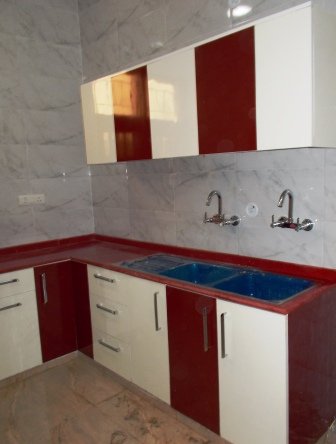
Builder Floor Lighting
Coordinate lighting with ceiling heights, staircases, wardrobes, balconies and room-specific activities.
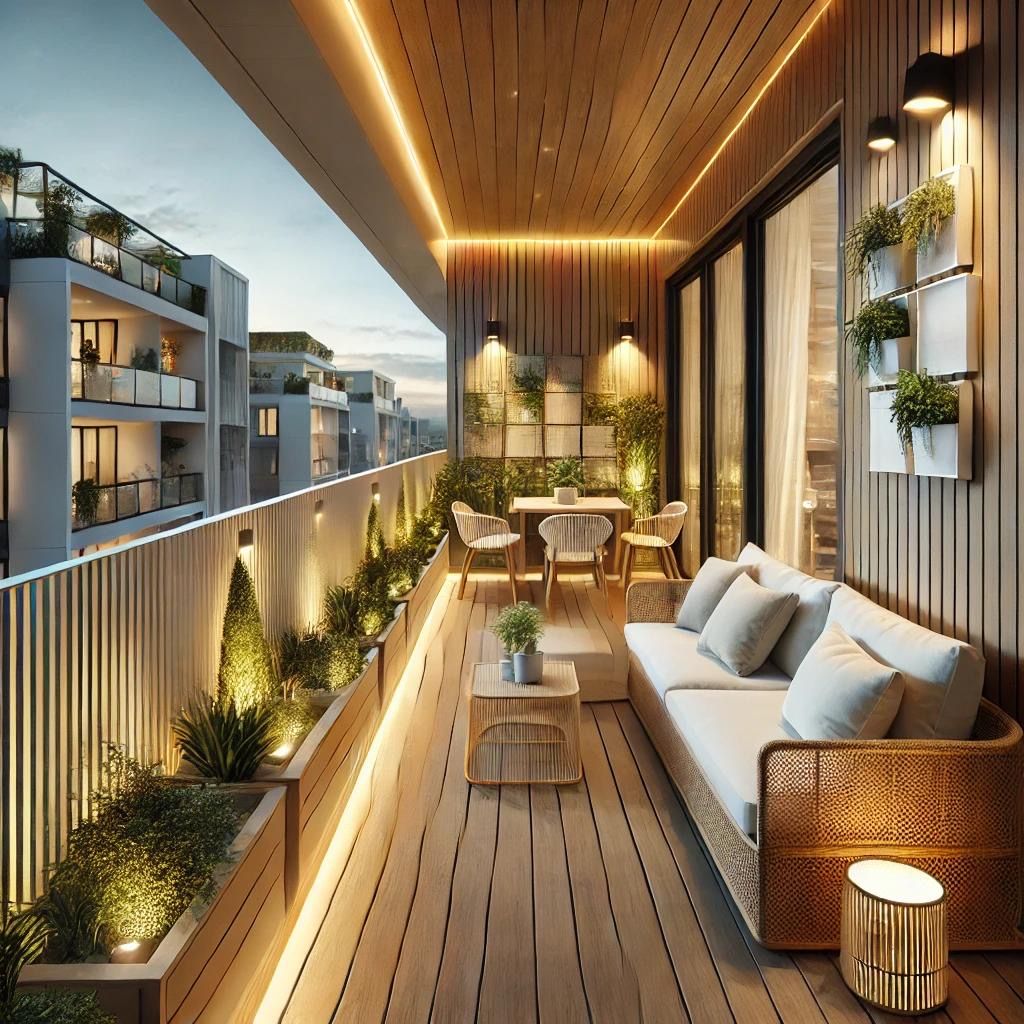
Villa and Independent House Lighting
Plan separate zones for living areas, dining spaces, bedrooms, staircases, outdoor seating and entrance lighting.
For homes across Gurgaon, Noida and Delhi NCR, coordinate the lighting layout with the property plan, electrical provisions and any applicable building or society requirements.
Home Lighting Mistakes to Avoid
A visually attractive fixture does not automatically create good lighting. Avoid these common planning mistakes when designing your home.
Using Only One Central Light
A single ceiling fixture may leave corners, work surfaces and decorative features poorly illuminated. Use suitable lighting layers.
Installing Too Many Downlights
Excessive downlights can create glare, visual clutter and unnecessary energy use. Select positions and output according to the room.
Ignoring Furniture Placement
Lights positioned without considering furniture may create shadows or illuminate areas that are not used.
Mixing Incompatible Colour Temperatures
Unplanned warm and cool lighting combinations can make a room feel visually inconsistent.
Forgetting Switch Locations
Poorly placed switches can make everyday lighting inconvenient. Plan controls around entry points, bedsides and activity zones.
Planning Lighting After the Ceiling Is Closed
Late changes can require additional wiring and ceiling modifications. Finalise the lighting plan early.
How to Make Home Lighting More Energy Efficient
Energy-efficient lighting is not simply about installing more LED bulbs. It involves selecting suitable light output, using daylight, avoiding unnecessary illumination and controlling lights according to actual requirements.
- Choose efficient LED fixtures from reliable manufacturers.
- Compare light output and power consumption.
- Use daylight wherever practical.
- Switch off lights in unused rooms.
- Consider occupancy sensors in suitable spaces.
- Use dimmers where the fixtures support them.
- Keep fixtures and diffusers clean.
- Check product warranties and replacement availability.

Related Interior Design Services and Ideas
Explore related Interior A to Z pages while planning your home’s ceiling, kitchen, furniture and overall interior design.
Useful Home Lighting Design References
These resources explain residential lighting principles, efficient lighting selection and the importance of planning light around people’s activities.
- Natural Resources Canada – Home Design and Lighting Principles
- U.S. Department of Energy – High Performance Residential Lighting
Lighting examples and colour-temperature ranges in this guide are starting points, not a substitute for a project-specific lighting calculation. Final fixture selection should consider room dimensions, reflectance, glare, task requirements and product specifications.
Frequently Asked Questions About Home Lighting in Gurugram
1. How should I plan lighting for a home in Gurugram?
Begin with the room layout, furniture positions and natural daylight. Plan ambient, task and accent lighting for each space, select suitable fixtures and colour temperatures, and finalise switches and wiring before ceiling installation.
2. What are the three main types of home lighting?
The three main types are ambient lighting for general illumination, task lighting for activities such as cooking and reading, and accent lighting for highlighting design features. Decorative lighting can be added as another layer.
3. Which LED colour temperature is best for a living room?
Warm white light around 2700K to 3000K is commonly used for comfortable living rooms. The final choice depends on the room’s finishes, natural light and desired atmosphere.
4. Which lighting is best for a modular kitchen?
Use general ceiling illumination along with task lighting over countertops, sinks and cooking areas. Under-cabinet LED strips can provide useful light where food preparation takes place.
5. Should lighting be planned before installing a false ceiling?
Yes. Finalise fixture positions, wiring routes, switch groups, driver locations and access requirements before closing the false ceiling. This reduces avoidable changes during installation.
6. Are dimmers useful for home lighting?
Dimmers allow brightness to be adjusted for different activities. They are particularly useful in living rooms, bedrooms and dining areas. Check compatibility between the LED driver, fixture and dimmer before installation.
7. How can I make home lighting more energy efficient?
Select efficient LED fixtures, make use of natural daylight, switch off unused lights and consider sensors or dimmers where appropriate. Choose light output according to the actual requirements of each room.
8. How many lights are required in a 3BHK home?
There is no single correct number. The requirement depends on room sizes, ceiling heights, fixture output, furniture layouts and activities. A room-wise lighting plan is more reliable than using a fixed number of lights per bedroom.
9. Can lighting improve the appearance of a small apartment?
Yes. Balanced ambient lighting, focused task lights and carefully placed accent lighting can make a small apartment feel more comfortable and visually organised. Avoid excessive brightness and glare.
Planning Your Home Lighting in Gurugram?
A well-planned lighting layout can improve everyday comfort, highlight interior details and make every room more functional. Explore Interior A to Z for residential interior design and planning information across Gurugram, Gurgaon, Noida and Delhi NCR.
Visit Interior A to Z